Tanzania elects first female president

By Cynthia Akanaga ’25

Staff Writer

Last year on March 19, Tanzania joined the cohort of African countries with female leaders with the swearing in of Samia Suluhu Hassan, a Muslim Tanzanian woman, as head of state. In Tanzania, Hassan is widely referred to as Mama Samia. 

According to the Center for Strategic and International Studies, “As the country’s former vice president, Hassan became the constitutionally mandated successor of late president John Magufuli after he allegedly died from COVID-19 in early March 2021.”

In her interview in Dodoma, the capital of Tanzania, Hassan talked about the challenges with assuming the role of president in the country. “Most of the people couldn’t believe that we can have a woman president and she can deliver. The challenge was to create a trust in the people that yes, I can do it,” Hassan stated, as reported by The New York Times. 

Hassan has taken measures to make leadership in Tanzania more accessible to other women. According to The Conversation, “Nine of her cabinet ministers are women, which represents 36 percent, a six percentage point rise from the previous cabinet.”

Sarah Chohan ’24, a student from Tanzania, echoed the idea of the challenges women face in authority positions. “I’m a Muslim Tanzanian woman, and it’s nice to see the representation, especially as a president. … Right now, things are getting better as people are getting educated. But there’s still a lot of backward mindset. Tanzania is still quite, I’d say, conservative. So, I’m not going to lie — we didn’t see this coming, getting a Muslim president woman especially.”

In the same vein, Vanessa Dickson ’25, a first-year from Tanzania spoke about the double standards facing women. “As a woman, you have to do double the work than what the man does to show that you’re capable of delivering the tasks. I think for the longest time, the majority of the people didn’t believe that a woman could lead,” Dickson said. “By Mama Samia now being the person who is leading us as a nation, it’s proving that women can actually lead, and they’re capable of doing it. There is hope for the rest of the women in Tanzania because they have someone that they can look up to,” Dickson added.

Chohan and Dickson both emphasized the improvements Hassan has made for the tourism industry in Tanzania.

“Mama Samia is definitely opening up Tanzania to the world, especially with her recent trips to the U.S. and meeting with Kamala Harris. She’s advertising tourism in Tanzania, which I think is great because we do have amazing things. She’s trying to put Tanzania on the international map, ” Chohan said.

Dickson also highlighted how much Hassan has done for the country’s tourism. She stated, “Personally, I really love [her]. I love what she’s doing for the nation, and one of the things that I really like that she’s doing is within the tourism industry. One of the things she talked about … [was] that many people, when you meet them and you tell them where you’re from, … don’t know it. They’re like, ‘Where’s that?’ Now, she’s made this new film called [Tanzania: The Royal Tour]. It’s a way to promote tourism in the nation and people are able to see Tanzania for what it is.” 

Hassan met with Harris on April 15 in Washington, during which she announced this “Royal Tour program … to showcase Tanzania’s touristic and investment potentials,” according to the White House. Hassan’s meeting with Harris also yielded “the investment of nearly $1 billion from American companies in Tanzania’s tourism and energy sectors,” as reported by VOA News.

“On April 18th, I attended the premiere of the Tanzania: [The] Royal Tour documentary in New York,” Hassan wrote in a Twitter post. “The one-hour documentary shot in Tanzania will promote our country’s unique and unrivaled tourism attractions and investment opportunities to a global audience.” 

In addition to her focus on tourism, Chohan also shed light on how Hassan responded to the COVID-19 pandemic, including how she publicly received her vaccine dose to encourage the citizens to also get vaccinated. 

Chohan stated, “Mama Samia is accepting that vaccinations are out there, [that] we need to get them, [that] they’re necessary, and [that] she believes in the science of it. I believe in the science of vaccinations too, so I agree with her. Tanzanians, for the most part, were very hesitant, and they were resisting the vaccinations.” Chohan continued, “I think her openly taking the vaccinations was more of showing support that, like, ‘I’m also with you guys.’ We’re all in this together,’ kind of thing. I think that was a really good initiative from her because [Some didn’t] believe in the science of it.”

According to CSIS, “As of March 2022, approximately 4.5 percent of Tanzanians are vaccinated against COVID-19. This is impressive given Tanzania’s late start to COVID-19 precautions as well as the pervasive public resistance toward the vaccine.”

Dickson stated, “We’re building relationships with various countries, which is a good thing because it helps both economies and the people of both nations.”

Rokhaya Diallo speaks on Black French culture and identity

Photo courtesy of Jean-Marc Ferré for UN via Flickr. Rokhaya Diallo talked about her experience as a journalist and anti-racist activist in France.

By Sarah Bell ’25

Staff Writer

“Where do you come from?” is a question that Rokhaya Diallo has received all her life, despite being born and raised in France. According to Diallo, this complicated question normalized in French culture ignites a battle of proving one’s French identity while preserving one’s Black identity. 

On Tuesday, March 29, Smith College welcomed Diallo, a French-Senegalese journalist, filmmaker and author, to speak on a panel entitled “On the French Elections and Beyond.”

According to Mehammed Mack, associate professor of French studies at Smith College, “Rokhaya Diallo is the only prominent woman of color to have become a fixture of the nightly news talk shows and radio programs in France. … She brought intersectionality into general public discourse, and has drawn the ire of the right as well as a section of the left that adheres to rigid secularism.” 

“One of France’s most prominent anti-racism activists,” according to The New York Times, Diallo is a notable public figure in television and media. Born in Paris, Diallo graduated from Pantheon-Sorbonne with a degree in International Law, according to BlackPast. Her background in journalism stems from 15 years of coverage of the past three French elections. Diallo is also a published author, with a newly released book with her colleague, Grace Ly, titled, “Kiffe ta Race.” She has also written “Afro!” a picture book about the appreciation of Black natural hair, according to Goodreads. A true triple-threat, she has her hand in filmmaking, too, directing “De Paris à Ferguson: Coupables D'être Noirs” (2016) translated to English as “Paris to Ferguson: Guilty of Being Black,” and “Où sont les Noirs” translated as “Where are the Black People,” according to TV5 Unis. She is currently a researcher in residence at Georgetown’s Gender Justice Initiative in Washington D.C. 

“Prepare to face adversity and lose opportunities,” Diallo said during the panel, speaking on the downsides of speaking out within the journalism world. Diallo has been fired from previous jobs due to her outspoken nature, but has also gained many opportunities from it.

“Language is a real tool of intimidation,” she said to the crowd. She advised young female journalists to be confident in what they are speaking about. Diallo doesn’t spend time on people who don’t want to take the time to learn from her regarding racism in France, though she emphasized that she is explicit with people who do want to take the time to educate themselves. 

Carolyn Shread, senior lecturer in French at Mount Holyoke and faculty exchange professor at Smith, an attendee of the panel, looks to Diallo as a trailblazer in disrupting that pattern of the male-dominated discourse. “Diallo’s voice helps correct the erasures and bring us to a more equitable space, in which we hear from more than the happy few. We need — as soon as possible — for other people to join her so that she is not left to carry the burden of speaking alone.”

Diallo presented a clip she edited called “Qu’est ce que le Manterrupting,” meaning the interruption of female journalists and politicians by male voices. Diallo spoke on “preserving the art of speaking.” She felt like she wasn’t taken seriously in workspaces — however, speaking in a more assertive manner has helped her debate and assimilate in these spaces.

She also spoke on the candidates of the French presidential election, specifically on Marine Le Pen, the current president of the National Rally, and Eric Zemmour, who has made openly racist, anti-immigrant, anti-Muslim remarks, according to The Economist. It is unprecedented in recent years for France to have two far-right candidates so high in popularity.

One question for the panel was about the importance of inclusivity, particularly regarding the underrepresentation of African and Caribbean female and nonbinary voices from Francophone and Lusophone countries. Diallo stated that the preservation of these works by diverse writers and the recentering of today’s notable Francophone African and Caribbean voices, such as Françoise Verges, Awa Thiam, and Paulette Nardal can bring attention to this.

Diallo and Mack recommended several Francophone contemporaries, activists and historical figures, including Louis Delgrès, Toumi Djaïdja and Albert Memmi.

Study abroad column: Emma Watkins ’23 studies Gothic literature in Dublin

Study abroad column: Emma Watkins ’23 studies Gothic literature in Dublin

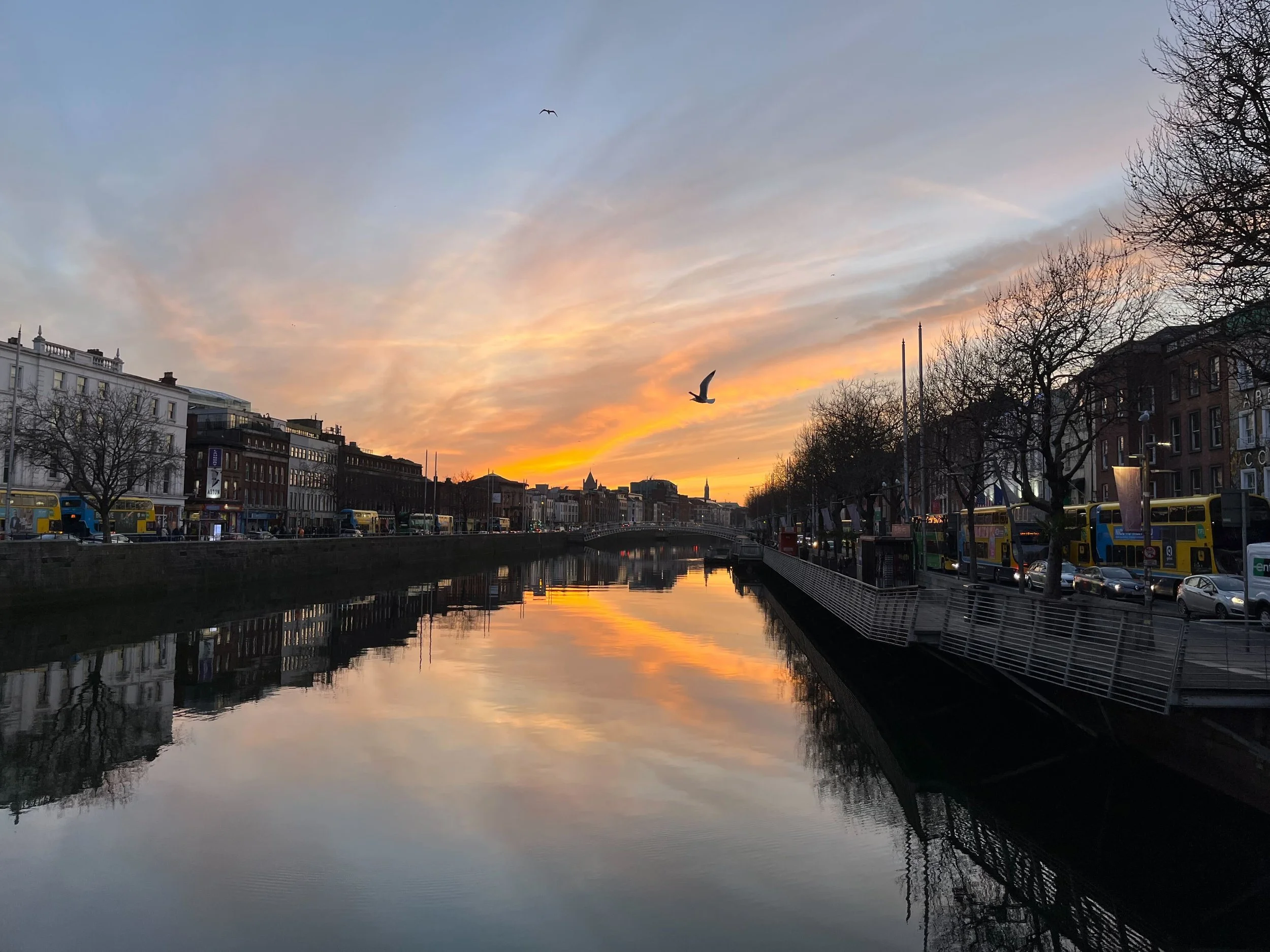
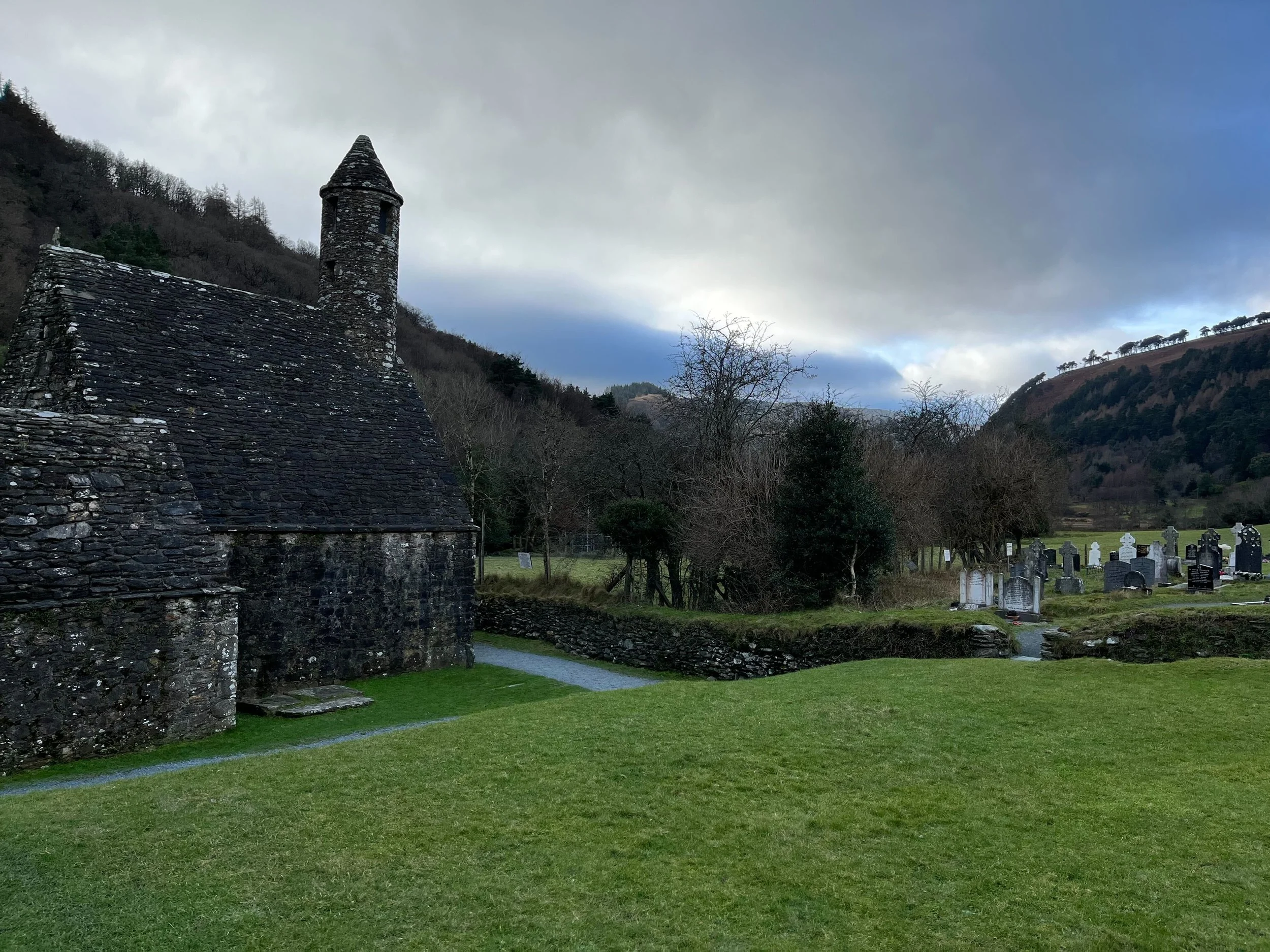
As an English major with a love for Irish literature, I knew I couldn’t pass up the opportunity to study in Dublin. University College Dublin was really appealing to me because it has a strong English department. I was particularly excited by the chance to work with a professor whose research I’ve followed since attending her panel on Irish Gothic literature, “Daughters of Dracula,” last fall. Since being here, I have found that it’s not just the classes that make it worthwhile, but also that Ireland is a gorgeous country. I’ve enjoyed taking advantage of the historical sites and natural beauty on the weekends when I’m not doing schoolwork.

Study abroad column: Jahnavi Pradeep ’23 explores culture and academics at St Andrews

Study abroad column: Jahnavi Pradeep ’23 explores culture and academics at St Andrews

Like clockwork, the seagulls begin their daily chant every morning, perched by my room’s window, roof and any other spot they can bother me from. Their morning alarm sets me off on my daily routine, and I get ready, wrapping myself in layers of scarves and coats to protect me from the chilly seaside air of St Andrews — a quaint town tucked along the coast of Scotland. When I step into the cold, makeshift breakfast with coffee in hand, I walk by the seagulls confidently, masquerading as an unafraid local accustomed to their presence for years and not the visiting study-abroad student who got to this town only in January, a mere three months ago.

Gang violence sparks mass arrests across El Salvador

Gang violence sparks mass arrests across El Salvador

Following a Congress-approved state of emergency on March 27, over 10,000 gang-related arrests were made across El Salvador, according to NBC News. This sanctioned crackdown on gang violence was reportedly in response to the 62 killings that occurred within a single day earlier that week, the BBC said.

Minamata Convention on Mercury meets for the fourth time

Minamata Convention on Mercury meets for the fourth time

According to a report published by the United States Environmental Protection Agency, the neurotoxin mercury exists in multiple facets of people’s lives. The EPA also reported that the ingestion of large amounts of mercury can have serious negative health effects, particularly impacting the nervous system. Symptoms of mercury poisoning include tremors, insomnia, memory loss, headaches, muscle weakness and, in extreme cases, death. To address this global challenge, representatives from state governments, United Nations agencies, academia and civil society gathered in Bali, Indonesia at the second segment of the fourth meeting of the Conference of the Parties to the Minamata Convention on Mercury in March, according to the Minamata Convention’s website.

Students share opinions on Nigerian female presidential aspirant Khadijah Okunnu-Lamidi

Students share opinions on Nigerian female presidential aspirant Khadijah Okunnu-Lamidi

In its nearly 62 years of independence, Nigeria has never had a female president. There have, though, been many women over the years who have tried to secure enough votes to win the presidential elections. The 2023 presidential elections have seen a rise in the number of female candidates, with Khadijah Okunnu-Lamidi being the first woman to declare interest, as reported by BBC Pidgin.

Canadian government demands millions of dollars from maple syrup thief

Beginning in 2011, in Quebec, Canada, a group led by Richard Vallières stole over 9,500 barrels of maple syrup from the maple syrup reserves held by the Federation of Maple Syrup Producers, according to The Guardian. The Federation encompasses almost 7,000 different maple syrup producers accounting for almost 80 percent of the world’s supply of maple syrup. In March 2022, Vallières’ trial concluded with a settlement to the Canadian government.

Students and professors reflect on the life of Madeleine Albright

Students and professors reflect on the life of Madeleine Albright

On March 23, 2022, Madeleine Albright, the first woman to serve as U.S. secretary of state, died at the age of 84. According to The New York Times, “Albright rose to power and fame as a brilliant analyst of world affairs and a White House counselor on national security. Under President Bill Clinton, she became the country’s representative to the United Nations (1993-1997) and secretary of state (1997-2001), making her the highest-ranking woman in the history of American government at the time.” A graduate of Wellesley College, Albright became and remained a prominent voice in American foreign policy long after her tenure as secretary of state ended.

7.4 scale earthquake hits east coast of Japan

7.4 scale earthquake hits east coast of Japan

On Wednesday, March 16, a large earthquake hit the eastern coast of Japan. The quake killed at least four people and injured over one hundred, according to CNN. Initially, the earthquake was rated a 7.3 on the Richter scale but was later updated to a 7.4, as reported by CNN.

Mount Holyoke community reflects on racial discrimination faced by Africans at the Ukranian border

Mount Holyoke community reflects on racial discrimination faced by Africans at the Ukranian border

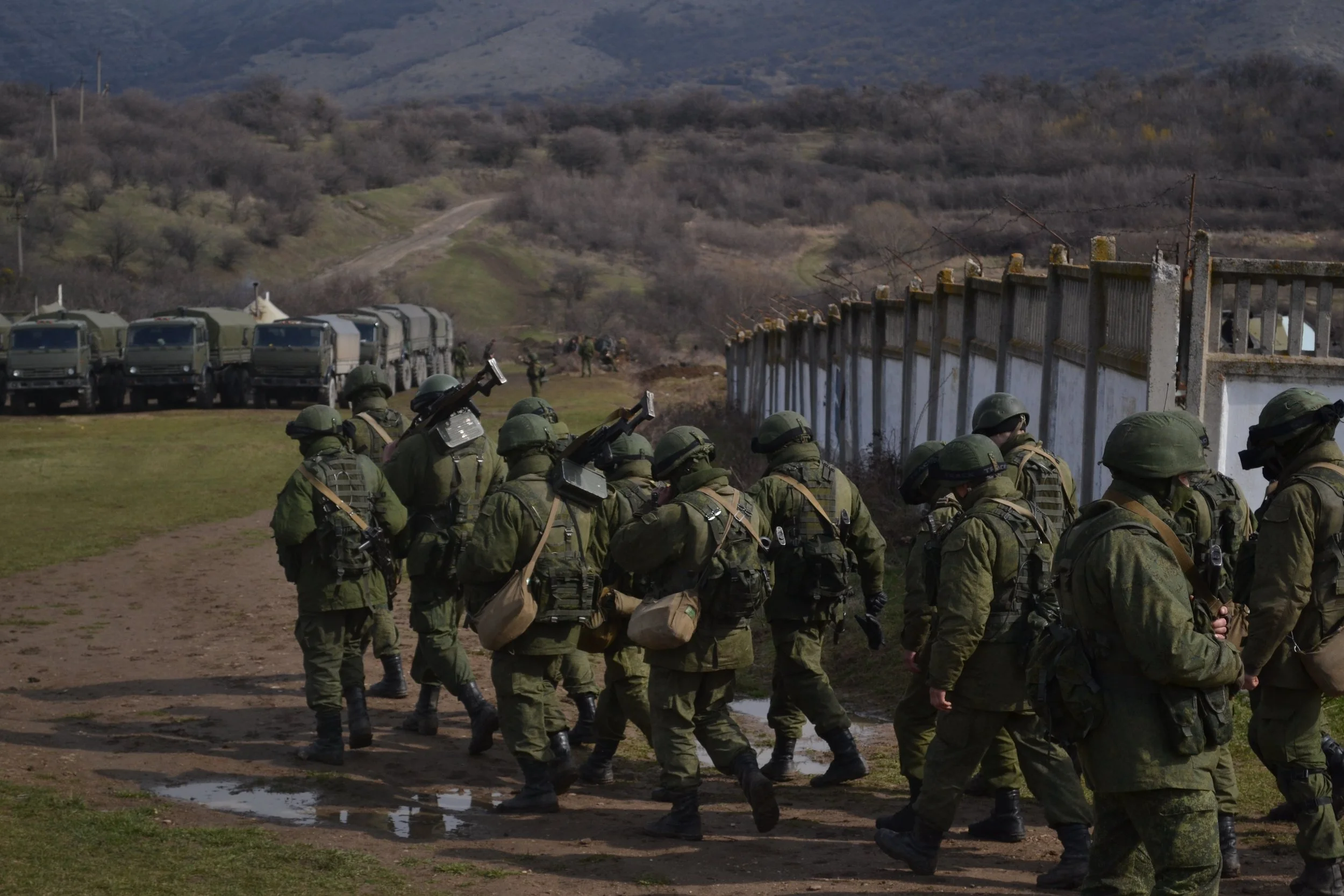
In the wake of Russian military forces invading Ukraine on February 24, Mount Holyoke’s McCulloch Center for Global Initiatives organized “War in Ukraine: Why? What Next?” This event was held virtually on March 8. The event, moderated by Professor of Politics and Chair of International Relations Sohail Hashmi, featured Professor of Russian Studies Stephen Jones, Assistant Professor of International Relations and Politics Christopher Mitchell and Cyrus Vance Visiting Professor in International Relations Natalie Sabanadze, who shared an in-depth discussion regarding the invasion. One of the main topics of discussion was the differences between how this war is portrayed by the media as opposed to conflicts in the Global South. Additionally, the speakers discussed the racism being faced by African and Black refugees fleeing Ukraine.

Russia invades Ukraine; US and others impose sanctions

Russia invades Ukraine; US and others impose sanctions

Early in the morning of Feb. 24, Russian military forces began invading Ukraine. According to NBC News, Russian President Vladimir Putin declared a “special military operation” in eastern regions of Ukraine, but in a matter of hours, land attacks as well as air strikes occurred in eastern and northern areas of the country.

UMass launches Living Languages, an international language revitalization journal

UMass launches Living Languages, an international language revitalization journal

Scholars from across the world gathered virtually on Monday, Feb. 21 to celebrate the launch of a new language revitalization journal. The Living Language Journal, a multilingual and open-access resource platformed by ScholarWorks@UMass Amherst, plans to host a variety of academic and non-academic writings centering projects in the emerging field of language revitalization, which aims to re-engage with languages considered endangered by scholars and activists.

Acquittal in Qandeel Baloch murder case sparks controversies surrounding state-sanctioned misogyny

Acquittal in Qandeel Baloch murder case sparks controversies surrounding state-sanctioned misogyny

Content warning: this article discusses murder, gendered violence and sexual assault.

Last Monday, Muhammad Waseem was fully acquitted in an appeals court of the 2016 murder of his sister, Qandeel Baloch — a murder to which he confessed. Waseem’s acquittal, despite both confession and evidence against him, is reflective of a larger pattern of failure to deliver justice to victims of femicide in Pakistan.

African leaders discuss making Swahili a continent-wide lingua franca

Africa, the second largest continent, has over 2,000 distinct languages. Nigeria, its most populous country, is host to about 522 languages. Due to colonial rule, many countries in Africa designate either French or English as their official language. However, with its growing influence, there has been swelling support to make Swahili the lingua franca, or common language, for all of Africa. Swahili is one of the official languages of the African Union. Additionally, it was the first African language to be honored by the United Nations in its designation of July 7 as World Kiswahili Language Day.

Jeff Bezos asks Dutch officials to disassemble historic bridge so his yacht can leave the shipyard

Jeff Bezos asks Dutch officials to disassemble historic bridge so his yacht can leave the shipyard

Rotterdam, a city in the Netherlands, is mulling over a request to dismantle part of the historic Koningshaven Bridge to allow for a superyacht owned by Jeff Bezos to leave the shipyard, according to CNN.

Students recount their experiences during the Myanmar Coup

Students recount their experiences during the Myanmar Coup

Last year, the Myanmar military, officially known as the Tatmadaw, orchestrated a coup that removed Aung San Suu Kyi, former Minister of Foreign Affairs, from power after her political party, the National League for Democracy, won the election by a landslide. Because the title Myanmar was appointed by the military to replace the Burmese title of Burma, this article will refer to the country by the latter. This month marks the anniversary of the declaration of a state of emergency made by the military on Feb. 1, 2021. Senior General Min Aung Hlaing remains in power, and many people in Burma are still protesting.

Students reflect on study abroad experience during the pandemic

Students reflect on study abroad experience during the pandemic

As the COVID-19 pandemic stretches into another year, perpetual changes to the norm have become a regular part of life. Students looking to participate in a study-abroad program for the Spring 2022 semester had to be willing to adapt to an evolving COVID-19 situation in addition to adjusting to studying in another country. Some destinations and programs have not yet reopened and others are operating with restrictions.

Language Resource Center renamed ‘Language & Culture Commons’ to better represent its role on campus

Language Resource Center renamed ‘Language & Culture Commons’ to better represent its role on campus

At the start of spring semester, the College announced that the campus resource once known as the Language Resource Center, located in Ciruti, would be renamed as the Language and Culture Commons via an ‘MHC This Week’ email. Though this name change has been in motion for years, its recent retitling signals the Commons’ commitment to cultural and linguistic education.