
In the past few weeks, protests have spread across Senegal, spurred by the arrest of the opposition party leader Ousmane Sonko. Sonko was arrested for rape, a charge many consider false and politically motivated given that the current head of the Senegalese government has a history of creating legal charges to suppress opponents. Despite this, In 2019, Senegal was categorized as one of the most democratic countries in Africa by the Economist Intelligence Unit.
Murder sparks conversation on anti-LGBTQ+ sentiment in Belgium
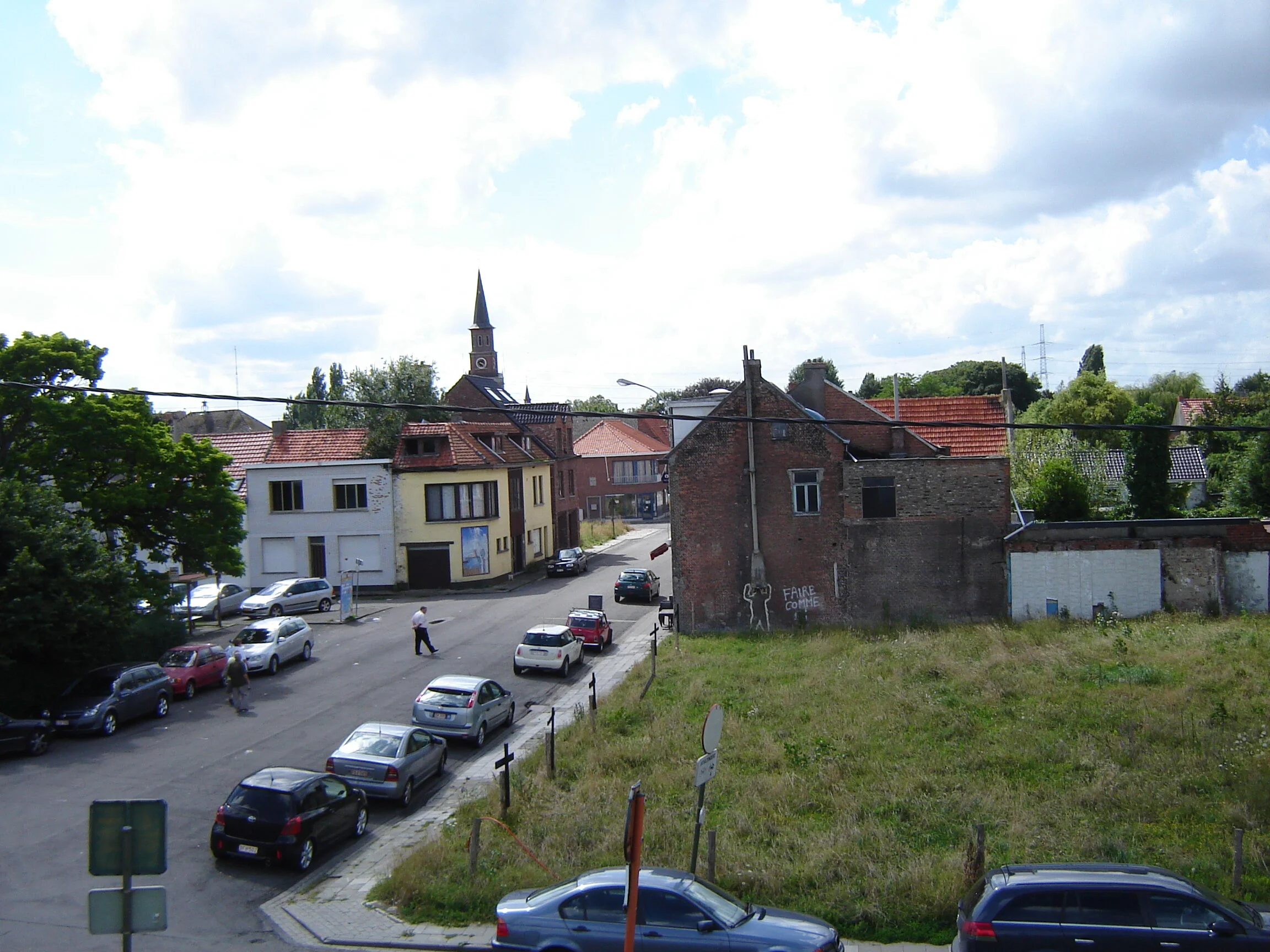
Early in the morning on Saturday, March 6, the body of 42-year-old David Polfliet was discovered in a park in Beveren, Belgium. According to a report in the Flemish newspaper De Standaard, a 17-year-old turned himself in to the police, who later arrested him, a 16-year-old and another 17-year-old as the perpetrators of Polfliet’s murder. The group used a dating app to lure Polfliet to the park. It remains unclear at this time if the trio intended to murder Polfliet or to physically abuse him.
COVID-19 brief

There had been 132,775,013 cumulative cases of the COVID-19 virus across the world as of April 7, 2021. The United States continues to lead this number with 30,907,352 confirmed cases — the highest in the entire world. As vaccinations become more accessible and cases continue to rise, inequities in treatment and testing continue to exacerbate the health crisis.
International students reflect on gap years
When Mount Holyoke College closed its campus and switched to remote learning in March 2020, international students were encouraged to fly back home. Throughout the last academic year, international students have dealt with time differences interfering with online classes. In the face of this difficulty, some students chose to take a gap year or semester.
Regional responses to COVID-19 change over year
Snowball is inaccessible to international remote learners
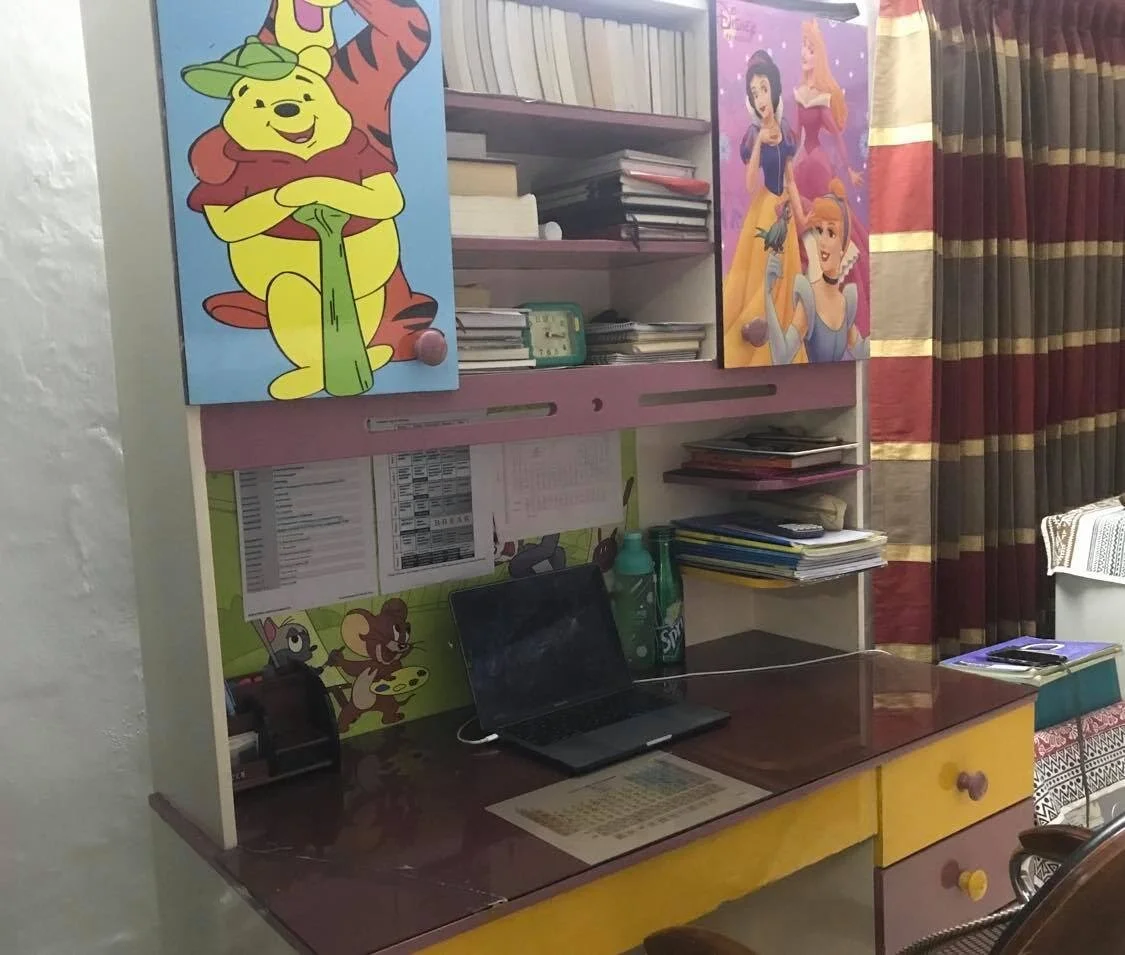
Over the past year, the meaning of a normal college experience has changed drastically. What was supposed to be a time of meeting new people and making memories has transformed completely. The online college experience is devoid of interaction with peers beyond an educational setting, which is negatively impacting many students.
Rapper’s arrest sparks outrage in Spain

A popular Spanish rapper, Pablo Hasél, was arrested on Feb. 16 under public security law charges accusing him of criticizing the monarchy and glorifying a separatist group. This action sparked massive and widespread protests spanning several major cities and resulting in the arrests of multiple protesters. These arrests follow a long history of repression and separatist support in Spain.
Ebola outbreak in West Africa is under control

Nine Ebola cases have been reported in Guinea, leading to the deaths of five people, as of Feb. 25, 2021. In the Democratic Republic of Congo, the World Health Organization has confirmed its third case of Ebola as of Feb. 12. On Feb. 27, the U.S. Centers for Disease Control and Prevention announced a travel precaution to all individuals traveling from Guinea and the Democratic Republic of Congo to the U.S. Since this year’s outbreak took place in relatively remote areas, the risk of importing Ebola cases to the U.S. is extremely low, meaning this is just an extended precaution, according to CNN.
Global COVID-19 counter

21-Year Old Climate Activist Disha Ravi Jailed

Greta Thunberg tweeted a “toolkit” for the farmers’ protests currently happening in India on Feb. 2. Thunberg is not the first prominent figure to have spoken out about the current protests. Her tweet came after Rihanna shared a CNN article on the Indian government cutting off the internet near protest sites with the caption, “why aren’t we talking about this?!” These tweets, however, had real-world implications for the activists on the ground, such as 21-year old Disha Ravi.
Israeli Prime Minister Begins Trial

Benjamin Netanyahu, Israel’s longest-serving prime minister, is facing charges of fraud, bribery and breach of trust, to all of which he is pleading not guilty. The trial, which began in 2019, recommenced on Monday, Feb. 8, a month before the country’s next election. Netanyahu, who has been in power for over 14 years, is facing criticism for his handling of the COVID-19 pandemic, along with his right-wing ideology.
Former Nazi secretary tried for murder of thousands 70 years after the fact
The German government prosecuted a former Nazi secretary for being an accessory to the murder of more than 10,000 people in concentration camps during World War II. Although there is no evidence of the defendant’s specific involvement in these deaths, she is being tried for her role in the operation of the concentration camps, the functioning of which led to the murder of thousands.
Celebrating Lunar New Year

China Night is an annual event held by the Chinese Cultural Association to celebrate the Lunar New Year, also known as the Spring Festival, with song and dance. In past years, it has been an evening of food, music and community. Because of the need for social distancing and remote formats for large events this year, however, the CCA directed students to watch the live CCTV Spring Festival Gala, a variety show broadcast on the eve of the Lunar New Year featuring an array of performances. The CCA posted traditional Chinese customs on Instagram while the Spring Festival Gala aired.
Environmental Changes in Africa Related To Globalization Policies

Two recent environmental developments in Africa have highlighted the role that farmers may play in sustainability for the continent. Levels of pollutant gases have lowered in areas, and a recent lawsuit in favor of local farm owners appears to signal a renewed sense of urgency around the issue of climate change.
Myanmar Falls Back Under Military Rule After a Decade of Democracy

In an effort to fight alleged voter fraud in the country’s general elections, the Myanmar military has staged a coup, detaining their ruler Aung San Suu Kyi and other members of her party, the National League for Democracy. On Monday, Feb. 1, the military, officially known as the Tatmadaw, declared a yearlong state of emergency. The country’s power is now in the hands of army official Senior General Min Aung Hlaing.
Protests Break Out in Russia Against the Jailing of Aleksei Navalny
Tens of thousands of Russians have rallied to demand the release of jailed opposition leader Aleksei A. Navalny.
Protests initially broke out on Jan. 23 from civilians voicing widespread disappointment with the current government, which Russian President Vladimir Putin has presided over for almost two decades. The rallies continued to grow throughout the following week and spread across the nation despite a large police presence and state threats of jailing, according to The New York Times.
Worldwide COVID-19 Cases Continue To Rise
By Sophie Soloway ’23
Global Editor
As of Tuesday, Feb. 9, at least 2.3 million people worldwide have died from the COVID-19 pandemic. Global cases are currently rising at the fastest rate yet.
The United States has the most cases globally at over 27 million. India (with approximately 10.8 million total cases) and Brazil (with about 9.5 million) have the second and third highest totals, respectively. However, cases continue to fluctuate across the globe.
Cases in Montenegro have spiked in the past week, and now the country has the highest daily average cases per capita with 85 cases per 100,000 citizens. The Turks and Caicos Islands and Israel fall shortly behind with 72 and 71 cases per 100,00 citizens, respectively. To combat these high statistics, Israel is currently pursuing mass vaccination distribution, leading globally with approximately 23.4 percent of the country already fully vaccinated.
However, this high vaccination rate has not yet reached occupied Palestine. Human Rights Watch reports that Israel has dodged Geneva Convention responsibilities to distribute medical supplies, leaving the Palestinian people with few resources to combat COVID-19. There are currently over 163,000 total cases in Palestine.
On the other end of the spectrum, countries such as Mainland China, New Zealand and Australia have continued to report some of the lowest COVID-19 infection rates, each with less than one case per 100,000 citizens.
Japanese Language Tables Connects With Doshisha University

Due to the COVID-19 pandemic, the Mount Holyoke Japanese Language Table has adjusted to a virtual setting, which is different from their usual in-person format. Now, Mount Holyoke students are able to form new connections instead of just meeting with other Mount Holyoke students. The Associated Kyoto Program at Doshisha University is conducting the Japanese Language Table online to connect MHC students with the students at Doshisha University.
International Students Reflect on Why They Came Back To Campus

The spring semester saw Mount Holyoke College open up its campus for almost 60 percent of its student population, a move that prompted many students to make the journey back to South Hadley. Among this group were numerous international students, who chose to return to campus for stability in the online learning environment, a closer connection to campus and academic reasons, among others.
Farmers Continue To Protest Indian Government’s Reforms
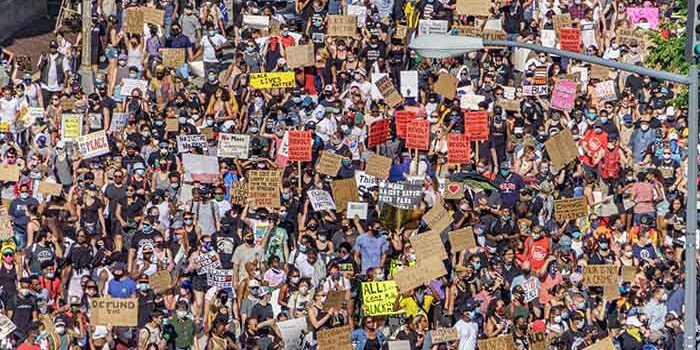
Pictured above: Farmers Protesting in India. Image courtesy of Ted Eytan.
By Madhavi Rao ’24
Staff Writer
In New Delhi, India’s 72nd Republic Day celebrations were underway, but in another part of the city, a group of farmers protested laws passed by the Indian government in September. This latest protest on Jan. 26 follows two months of peaceful demonstrations against three agricultural bills that have been widely received as harmful. The protest began when farmers on tractors broke away from the established Republic Day parade route and were met with harsh responses from the Delhi police.
Since the Dilli Chalo (“Let’s go to Delhi”) march in late November, Indian farmers have camped outside the border of the capital city in protest against what have come to be known as the farmer’s bills. These reforms will essentially strip away regulations on farmers’ produce, making them vulnerable to the low competing prices of the free market. The New York Times reported that these laws have been suspended until the government can conduct talks with the farmer unions that are calling for the abolition of these bills.
On Jan. 26, tens of thousands of the farmers who were camped outside of the Delhi border entered the city to take part in a planned Republic Day parade. According to the Indian publication The Hindu, the farmers were to drive down a predetermined parade route in tractors, as was agreed upon by the joint front of all protesting unions, the Samyukt Kisan Morcha. However, chaos ensued when some of the farmers deviated from these predetermined routes, though it is unclear whether or not this was intentional. Farmers on tractors who were not a part of the official parade broke down barricades at the city border and drove into Delhi as part of a demonstration, reported the BloombergQuint.
The protests reached a peak when some of the farmers managed to reach Red Fort in the older part of the capital. The police responded strongly against the farmers’ dissent as the farmers were met with lathi, or batons, charges, water cannons and tear gas. The day’s events also led to a ban of internet and mobile services across the city. These violent interactions with the police resulted in the death of one protester, Navreet Singh, reported CNN.
In response to Tuesday’s events, Assistant Professor of History Abhilash Medhi expressed his discomfort with the prevalent narrative. “The Delhi Police's reaction to the parade and subsequent reactions within the media appear to fit rather nicely with what Ranajit Guha called ‘the prose of counter-insurgency,’” he explained. “In [this prose], the violence of protesters is used, first, as a ruse for retributive violence and, second, to delegitimize the protesters’ legitimate demands in the public eye. To me, that is the more interesting aspect of what played out [on Tuesday].”
The blanket farmers union Samyukt Kisan Morcha denounced the protests, stating, “We also condemn and regret the undesirable and unacceptable events that have taken place today and dissociate ourselves from those indulging in such acts,” reported Al-Jazeera.
Prakruti Nikam ’22, an Indian student at Mount Holyoke, voiced her frustrations with the Indian media’s portrayal of the farmers’ protests. She said, “It’s very sad to see that the media in India have such polarized opinions since they have been forced to speak a certain way because of the government. They have repeatedly called the farmers’ protest[s] ‘violent’ and that is only to keep the Modi government happy.”
“The farmers just want to be heard and they are trying to make a living,” Nikam continued. “The Delhi police have a history of violence when it comes to curbing riots and protests,” Nikam concluded, referencing the similar treatment of protesters by the police during the demonstrations against the controversial Citizenship Amendment Act in 2019.
On Saturday, Prime Minister of India Narendra Modi said in a statement to a meeting of legislative assembly leaders that the government’s proposal to suspend the farmer’s laws still stood. He said that the problem would only be resolved through dialogue with the government. As reported by The Hindu, Modi, reiterating a statement made by Agriculture Minister Narendra Singh Tomar, said, “We’ve not reached a consensus but we are giving you [farmers] the offer and you may go and deliberate.”
In response to Modi, Samyukt Kisan Morcha indicated that they are interested in holding talks with the government, but will stand by their demand that the bills be withdrawn, according to The Times of India.
“I do expect a change in the way this government negotiates with farmers going forward. I would be surprised to see any overtures before the budget,” Medhi explained, speaking of the central government’s potential decision to provide the country’s farmers with financial grants. “The government might see the budget as a convenient time to make some concessions. Quite how concrete any of those concessions are remains to be seen. Knowing this government and its history with budgets, the overwhelming desire would probably be to hide behind promises and big numbers.”