Museums, Anthropology and Social Understanding in the Time of COVID-19

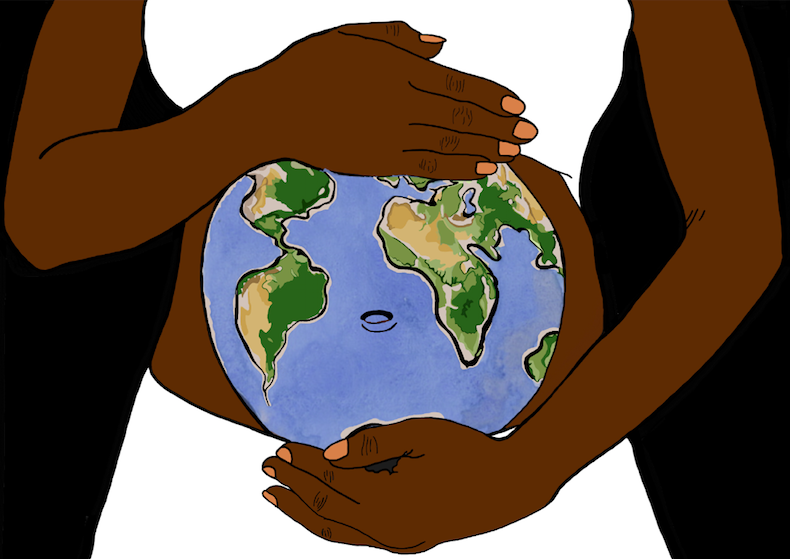
Photo by Lily Reavis ‘21

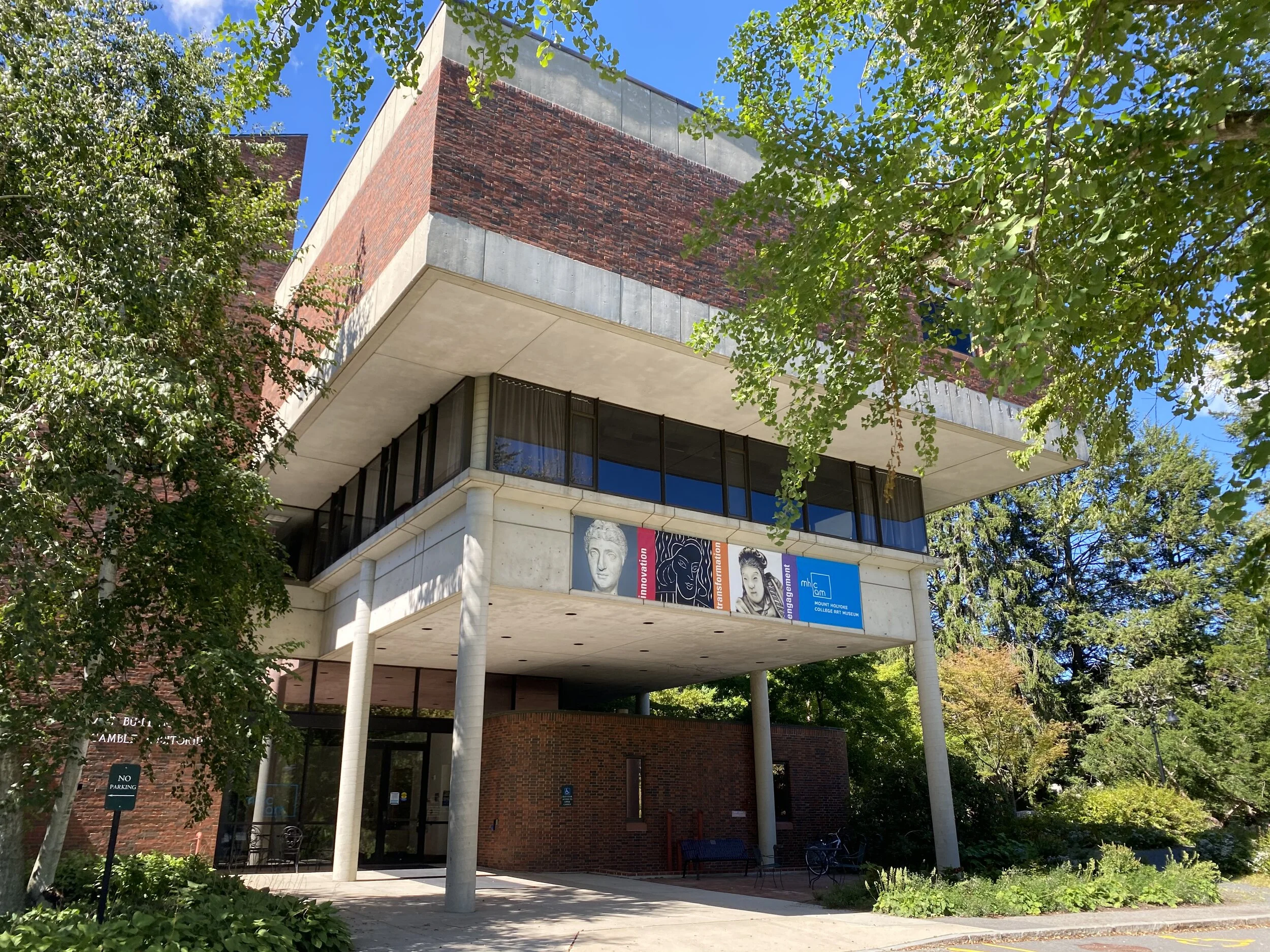
Photo by Lily Reavis ‘21

By Anoushka Kuswaha ’24

Health & Science Writer

In the face of COVID-19, museums have had to adapt to the challenges that the virus presents, like every other institution or business. Museums in Europe and North America were quickly able to create a digital presence for themselves on the internet toward the beginning of the pandemic. In the digital museum era, viewers are able to see a larger showcase of individualism. Many museums highlighted their curators and conservationists, as well as the artists that provide their content. Mount Holyoke’s art museum, for example, is highlighting the input of its students, employees, and alumni. 

Currently, the Mount Holyoke College Art Museum (MHCAM) is highlighting the work of alumna Joan Jonas ’58 and artist Bisa Butler, with a spotlight specifically on the museum’s recent acquisition of her portrait quilt, “Broom Jumpers” (2019). The museum, like many of its kind around the globe, has created virtual recreations of its exhibitions. Others currently utilizing the same virtual model include the Musée du Louvre in Paris and the Museo Nacional Thyssen-Bornemisza in Madrid. 

In addition to the creation of these virtual exhibitions on their websites, museums are using social media to continue their work at this time. Some have created prompts for their followers, the most well known being the Getty Museum’s challenge, which asks self-isolators to recreate one of the many paintings in its collection. Upon the museum’s announcement of this online challenge, bored art enthusiasts flooded social media threads with their own at-home interpretations. In the U.K., self-described “museum-weirdos” are creating and posting videos about their favorite art pieces and museums with the hashtag #MuseumAtHome. Their goal is to keep the love for museums alive while they are not accessible to the public due to the coronavirus pandemic. The Museum of Digital Art in Zürich, Switzerland — this writer’s city of residence — is hosting a variety of classes with creative contributors for all ages through live streaming. Close to Mount Holyoke, the National Museum of African American History and Culture documented and collected artifacts from the current Black Lives Matter protests. 

Despite the many inventive ways that museums have gone digital this year, the inaccessibility of technology was made apparent just as quickly as these digital presences became known. The United Nations Educational, Scientific, and Cultural Organization’s reports on museums found that only 5 percent of African and Small Island Developing States were able to create and maintain a virtual presence that is comparable to those presented by North American and European museums. In this same report, it is stated that more than 10 percent of museums will never reopen after this period of closure. 

Museums are intrinsically linked to scholarly work and the knowledge of diverse cultures, religions, and societies. They spark inspiration and dialogue, as they hold tangible links to the past. In the time of COVID-19, where human volatility and differences are becoming more and more apparent, the knowledge and appreciation of cultures different from one’s own has become even more important. 

This year, museums around the world have taken on a second and perhaps more important role as conservationists. Using the internet and social media, museums have begun collecting, documenting, and disseminating information about the virus and its impact on current and future generations. An example of this is the Museum Europäischer Kulturen located in Berlin, Germany. The MEK is using the hashtag #CollectingCorona on social media to collect videos, writings, photos, and art in any language, asking people all around the world how the pandemic has impacted their lives, their jobs, their mental health, and their families. All of this media will be compiled for a future exhibition at the MEK. In Sweden and Norway, a website called Minnen, or “Memories,” has been created for the purpose of collecting stories from around the world that document the human experience with COVID-19. 

Museum curators using social media currently have the opportunity to hear firsthand accounts from residents of all corners of the world. A small business owner sends in a poem. An autistic student describes his experience with homeschooling. A schoolboy describes the different social media that he uses throughout the morning and how he prepares his breakfast. A six-year-old girl questions how her mother told her to eat eggs to boost her immune system. 

As havens of anthropology, museums are markers for the level of civilization we have achieved as a collective human society. Their work in the time of the coronavirus pandemic serves as a reminder to generations in the present and the future of humanity’s hope, whimsy, courage, hate, and appreciation for the world around us. 

Weekly Climate News

1.png

Updates for September 10th

  • A record-setting heat wave swept through Southern California reaching a high of 121 F. The National Weather Service issued an excessive heat warning on Sunday, Sept. 6 for areas in Los Angeles, Ventura, Santa Barbara and San Luis Obispo counties. 

  • California is grappling with an unprecedented wildfire season made worse by the historic heatwave. Over the Labor Day weekend, about 200 hikers in the Sierra Nevada National Forest trapped by the spreading flames had to be airlifted out by helicopters. 

  • The heatwave and wildfires in the West, a massive derecho in the Midwest and the record-breaking 2020 hurricane season illustrate an extreme climate future. Read about the connection between these weather events and climate change here

  • The European Environment Agency confirmed on Tuesday, Sept. 8 that environmental factors such as air pollution and heatwaves worsened by climate change contribute to around 13 percent of all deaths in Europe. 

  • Ministers from 11 African countries met virtually on Monday, Sept. 7 to discuss progress on implementing the Great Green Wall, an initiative to develop a 15-kilometer-wide and 8,000-kilometer-long vegetation strip across Africa said to be integral in coronavirus recovery. 

  • Oil refineries in the Louisiana petrochemical industry have been impacted by recent hurricanes, dumping harmful substances into the environment and disproportionately impacting communities of color.

  • EPA relaxes standards that limit toxic waste and regulate wastewater from coal-fired power plants. Environmental groups claim this makes rivers and streams more vulnerable to contamination by corrosive pollutants like lead, selenium and arsenic. 

  • Communities permanently affected by environmental damage or economic disinvestment are known as “sacrifice zones.” Read this article about how these areas are currently on the front lines of both climate change and the global pandemic.

  • Read about these organizations which are helping the youth of color enjoy the outdoors in the middle of the global pandemic. 

  • In Ottawa, Canada, farming techniques that reduce greenhouse gas emissions are being developed. 

Climate Change May Cause a Comeback of Historical Diseases

Climate Change May Cause a Comeback of Historical Diseases

While many hope COVID-19 will be the only pandemic in their lifetime, recent research indicates that climate change may cause a comeback of several historical diseases. The return of historical diseases may come from permafrost: ground that remains completely frozen at 32 F (0 C) or colder for at least two consecutive years. In many cases, permafrost has been frozen for tens of thousands — or even hundreds of thousands — of years.

TRUMP ADMINISTRATION AUTHORIZES EXPLORATORY DRILLING IN THE ARCTIC NATIONAL WILDLIFE REFUGE.

TRUMP ADMINISTRATION AUTHORIZES EXPLORATORY DRILLING IN THE ARCTIC NATIONAL WILDLIFE REFUGE.

On Aug. 17, the Trump administration authorized the sale of leases for exploratory drilling in the Arctic National Wildlife Refuge, a decision resulting from years of political debate and controversy. Drilling in the region would win President Donald Trump’s support from proponents of domestic oil production and those looking to maximize the economic potential of American resources.

Weekly Climate News

Updates for August 3rd

• Are you taking daily sustainable action? Read this article on how to stay eco-friendly during a pandemic. 

A study recently published in the journal Scientific Reports, revealed that up to 171 million people today face the risks of coastal flooding from extreme high tides and storm surges, linked to rising sea levels resulting from climate change. Not only are the inhabitants of low-lying coastal areas in harm's way but trillions of dollars in economic assets worldwide are currently at risk. 

• At least a quarter of Bangladesh is submerged from heavy rainfall, highlighting how those who have the least impact on climate change are often those who are the worst affected. 

Lockdowns as a result of COVID-19 have cut energy-related CO2 emissions by 17 percent, a new study finds.

• But as countries and states reopen, global greenhouse gas emissions are on the rise. Read this article (with infographics!) on what this increase implies. 

• Due to climate change, poor governance and the coronavirus pandemic millions of Zimbabweans have gone hungry, but a community in Mwenezi, Zimbabwe, has a reliable food source. This resulted from an innovative plan initiated six years ago by a group of 200 women. Read this article to hear their story!

• A new push in the UK to promote and fund active travel has benefits for people’s health and the environment in curbing pollution. Read about it here

10 Indigenous guardian projects across the country will be receiving federal funding for a third year. These Indigenous communities will allocate the funds towards monitoring and protecting the environment. 

COVID-19 shutdowns have produced cleaner air which has increased the effectiveness of solar panels around the world. 

• Read this investigation into how the fossil fuel industry finances police groups in major U.S. cities! 

• Monarchs show us that with climate change, small actions can have world-altering results. Read this article about the butterfly effect.  

Dining Services Navigates Reopening on a De-Densified Campus

“Safety is hands down the goal but having great food needs to happen, especially during stressful and challenging times,” Richard Perna, director of Dining Services at Mount Holyoke College said. According to Perna, the past five months have been challenging for the dining staff, who have been constantly navigating and pivoting in response to COVID-19.

Controversial Oil Pipelines Shut Down as a Result of Protests and Environmental Work

Recent weeks have seen a major victory for environmentalists and activists across the country, as the construction of three major fossil fuel pipelines came to a halt. For many Americans, this news came unexpectedly, as much of the public discussion about these controversial pipelines had been completely forgotten in the wake of other recent crises.

Adverse Birth Outcomes: Climate Change Disproportionately Affects Health of Black Mothers

Adverse Birth Outcomes: Climate Change Disproportionately Affects Health of Black Mothers

The interconnectedness of climate change and systemic racism begins early, with the pregnancy of a mother and the birth of a child. A review published in the Journal of the American Medical Association on June 18 found evidence that negative health effects caused by climate change start before birth.