Weekly Climate News

October 8, 2020

  • The European Parliament voted in favor of cutting greenhouse gas emissions 60 percent by 2030, an update from the previous 40 percent. 

  • South Asia is in the midst of the worst monsoon season it has experienced in the past decade with an estimated 17.5 million people in India, Bangladesh and Nepal affected by the severe flooding. The floods, combined with the pandemic, have heightened the need for significant economic recovery and damage finance. 

  • COVID-19 has exposed Mexico City’s increasing water crisis, with vulnerable households experiencing shortages while gated communities have sufficient access to supplies. 

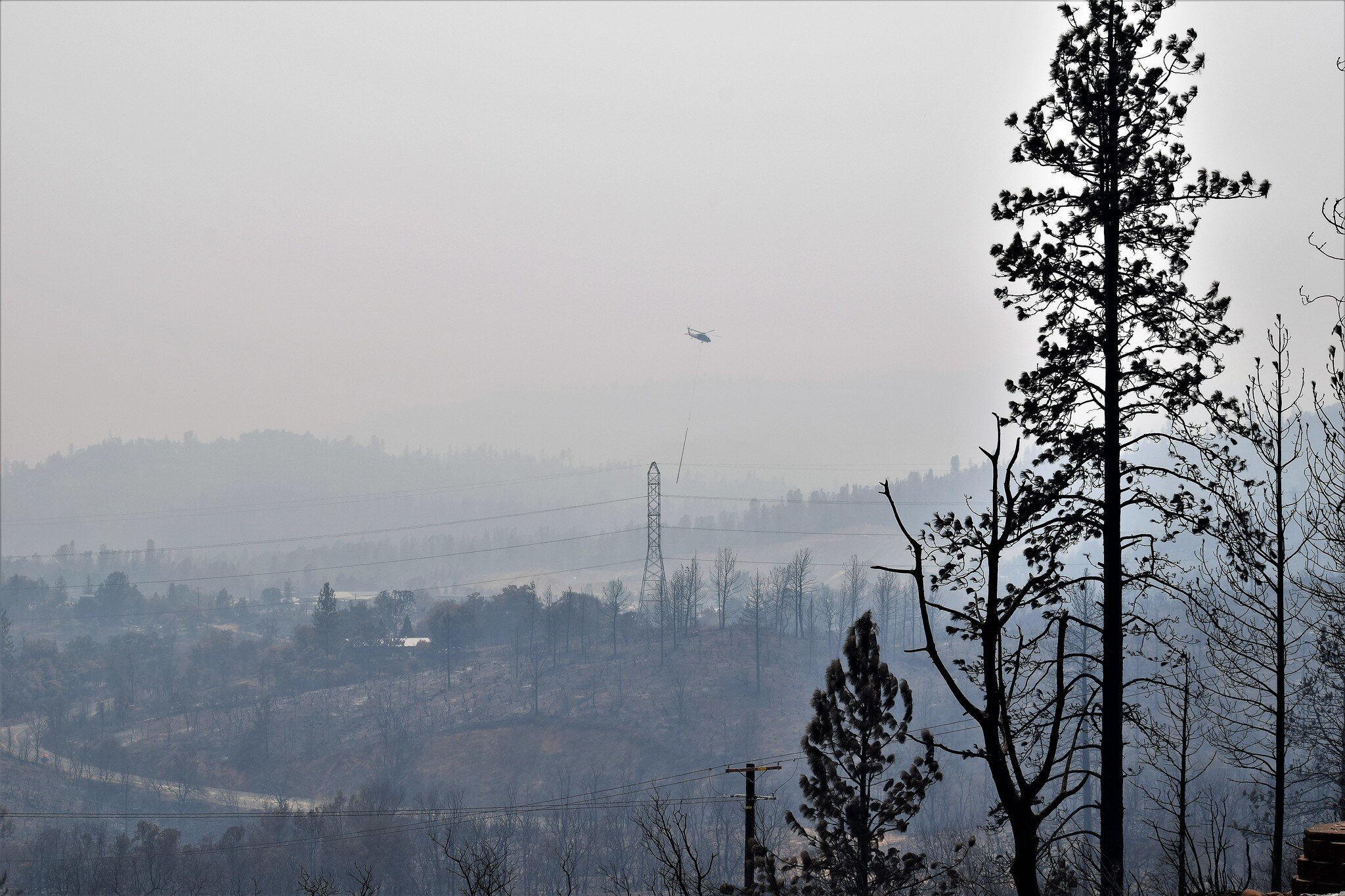
  • The August complex fire which started in California has expanded beyond one million acres, requiring it to take on the new classification of “gigafire,” the first in modern history. 

  • New data shows that 2020 had the warmest September on record. 

  • Woodlands in the Northeast experience changes as a result of climate change. Read about it here. 

  • The racial achievement gap in United States schools has been widening as a result of increasing temperatures, a new study shows, which is yet another example of how the impacts of climate change are being felt disproportionately by people of color.

  • A new partnership between the U.S. and Qatar is working on finding buried water in earth’s deserts. 

  • The ice loss in Greenland is likely to be more this century than at any other time in the history of civilization. 


Tightening Restrictions on the Spread of Climate Misinformation: Facebook, Covering Climate Now and More

Pexels.jpg

By Helen Gloege ’23

Staff Writer

Climate change has been evident this summer, between enough hurricanes to run out the 21 annual alphabetical names and forest fires across the West Coast and southwestern U.S. Along with the sharp and unwavering presence of environmental emergencies, there is a necessity to learn the truth about the climate crisis and its effects on daily life. In a modern and increasingly online era, people wishing to learn about the climate crisis often turn to online news platforms and social networks such as Facebook. 

Various news organizations have already been seen making changes in the information they report on climate change. Covering Climate Now was created to allow climate coverage to improve and give information to the public. The site was co-founded by the Columbia Journalism Review and The Nation in association with The Guardian and aims to help news organizations increase and improve coverage of the climate crisis as well as possible solutions. Various news services that have joined include The New York Times, The Washington Post, NBC News, CNN, the Los Angeles Times and many others. 

NBC News, which joined Covering Climate Now in April, launched Planet 2020, a new series, during the week of September 21. This broadcast involves Al Roker, the network’s chief climate correspondent and longtime weather forecaster who has been talking about climate change on the “Today” show for years now, and co-host Savannah Sellers. Together Roker and Sellers connect dots between extreme weather, climate change and the upcoming 2020 election. They hope to target millennials and Generation Z, groups that make up 37 percent of eligible voters. 

Another Covering Climate Now partner, Bloomberg, has launched a new digital outlet and print addition, Bloomberg Green, that aims to deal with economic aspects of the climate story. 

Of course, this hasn’t solved all of the problems in relation to coverage of climate change. It was found that only one of 93 segments that aired on ABC, NBC, CBS, CNN, Fox and MSNBC during the week Hurricane Laura hit the Louisiana coast connected the storm to climate change. In addition, out of the 46 segments ABC, NBC and CBS aired about the California wildfires, only seven of them mentioned climate change, demonstrating a huge need for improvement in journalistic coverage of significant climate events.

Along with news outlets, social media is a big source of information for the public. Recently, Facebook pledged to create a Climate Science Information Center aimed at connecting people with science-based information and putting the company at net zero emissions by the end of the year. The information center includes factual resources from the world’s leading climate organizations and actionable steps one can take in everyday life. This includes facts, figures and data from places such as the Intergovernmental Panel on Climate Change and climate science partners, including the U.N. Environment Programme, the National Oceanic and Atmospheric Administration, the World Meteorological Organization, the Met Office and others. They will also be partnering with 70 independent fact-checking organizations globally that will cover over 60 languages. Outside of the information center, they plan to reduce false climate-related posts in News Feed and apply warning labels to tops of posts on Facebook and Instagram so viewers understand the content is false. This has already launched in France, Germany, the U.K. and the U.S. and will expand to other countries later on.

This is a new step for Facebook, which has in the past allowed false, misleading or disputed information on the platform. However, since the announcement, climate scientists and environmental groups claim the effort doesn’t do enough to rein in false climate change information and conspiracies. As many people use social media for their news, there is pressure on social media companies to do more to address climate change misinformation on their platforms. Distrust from climate activists and environmental groups with Facebook grew back in September 2019 when the CO2 Coalition claimed carbon dioxide from humans is beneficial for the planet, labeled as an opinion by Facebook. This has created a general concern from the public that climate misinformation will continue to run rampant despite these new measures. 

Additional concerns say that this initiative enables Facebook to set clear lines on fact and fiction. Outside of the Climate Science Information Center, Facebook plans to continue with warning labels that show false information but won’t take down posts unless they are an immediate safety risk. It is also unclear how many users will visit the information centers or how many people will see false information before it is labeled as false. Facebook is trying to find a balance between allowing free speech and tackling misinformation.

Part of the concern about Facebook misinformation comes from a larger concern about social media in general. In a recent study done through online network analysis firm Graphika, climate deniers were found to be posting on average four times as much as climate scientists, experts and campaigners. Since virality is how social media companies make money, it is likely that groups of people who post frequently can cause posts to go viral and receive attention without going through fact-checking processes. Social media also allows for echo chambers to form where groups of like-minded users will gather together and frequently share news and opinions that are similar. For example, there could be a Facebook group that claims that climate change is false and would ignore the false statement on Facebook posts because it disagrees with their idea. 

After the announcement in regard to the climate hub was made, hundreds of accounts linked to Indigenous, environmental and social justice organizations were suspended. For three days, over 200 people with posting privileges on pages involving those organizations were locked. Around the time they were suspended, there were events planned through Facebook that would have occurred during the lockout period. Facebook notices claimed account holders had posted the content that infringed on or violated others’ rights or the law; however, when reinstated, Facebook told them it wasn’t for these reasons. It is unclear why the accounts were taken down and Facebook has yet to provide a clear explanation. Bans are frequently performed by a social media algorithm without human involvement, meaning there is a possibility for loopholes that claim true information is false or don’t flag false information.

With the increased visibility of the effects of climate change in our daily lives, news agencies and Facebook have begun to act on the responsibility they hold to the public by providing information and updates on climate change. It is important for the information on climate change to be accurate in order for appropriate actions to be taken. There is still a long way to go in preventing the spread of misinformation in relation to climate change.

Climate Change in the Presidential Debates: A Hopeful Outlook

By Abby Wester ’22

Staff Writer

Climate change is a growing crisis affecting the environment in a multitude of ways. In the past few months alone, the United States has seen historically devastating fires on the West Coast and a record-breaking hurricane season on the East Coast. Despite how this global crisis is expected to disturb economies, infrastructure and human health, it is still a heavily contested subject in American politics. United States presidential debates have a history of glossing over, or completely ignoring, the issue of climate change. The heated and insult-ridden presidential debate between President Donald Trump and former Vice President Joe Biden on Sept. 29 directly addressed the subject for the first time in 12 years.

The last question about climate change in a presidential debate was posed in 2008. This year, moderator Chris Wallace dedicated 10 minutes of discussion to the topic. According to a Tweet made by meteorologist and journalist Eric Holthaus, those 10 minutes “[double] the total amount of time [spent talking about climate change] in all 2000 minutes of presidential debates since 1988.”

In an interview with NBC News, Nathan Hultman, director of the Center for Global Sustainability at the University of Maryland, stated that the presence of questions about climate change in the debate “[reflect] the heightened political and grassroots interest in the subject.” Groups such as the Sunrise Movement have been advocating for discussion about climate change since June 2019, when they staged a sit-in outside of the Democratic National Headquarters demanding a Democratic primary debate dedicated to the discussion of climate. 

Wallace’s question delivered differing answers from the two candidates. Trump spoke about his aspiration of “crystal-clean water and air” while dodging questions about his rollbacks of Obama-era environmental legislation and withdrawal from the Paris Climate Accords. Biden laid out his plan for renewable energy, but separated himself from the Green New Deal proposed by left-wing Democratic congresspeople. 

Although the candidates’ answers were filled with insults and interruptions, they still left an impression of their beliefs about climate change. Environmentalists and Americans worried about climate change were left with a sense of reassurance that this topic will be discussed further in the future of U.S. politics.

Climate Clock in NYC: The Next Seven Years Could Decide Our Future

Photo courtesy of Wikimedia Commons

Photo courtesy of Wikimedia Commons

by Dnyaneshwari Haware ’23

Staff Writer

“The Earth has a deadline” followed by the numeric “7:103:15:40:07” can now be seen flashing a rhythmic countdown on the glass exterior of One Union Square South on 14th Street in New York City. The clock currently reads that there are seven years, 103 days, 15 hours, 40 minutes and seven seconds left to prevent irreversible damage to the environment. 

The idea of the end of the world is not restricted to sci-fi books and films anymore, but many refuse to accept this reality. The Metronome, a public art project that has been in existence for more than 20 years, has now been turned into the Climate Clock, a graphic displaying the amount of time remaining for us to take significant action toward saving our planet. The transformation of the 62-foot-wide 15-digit electronic clock into a climate clock was done by artists Andrew Boyd and Gan Golan and commissioned by the Related Companies in collaboration with the Public Art Fund and the Municipal Art Society. The clock shows we only have seven years whereas many corporations, governments and international organizations such as the U.N. have pledged to adapt sustainability and development goals to alter their environment-degrading activities by 2030. y 

On a YouTube talk show hosted by comedian Ted Alexandro, Boyd said, “It’s a very harsh timeline to reckon with. There’s different ways to slice the numbers and if we can get to net zero carbon in that amount of time, that gives us a 67 percent chance of staying under the red line that scientists are telling us we really shouldn’t cross of 1.5 degrees centigrade warmer.” 

The artists reject the idea that this is a doomsday clock. “It is showing our time window for action,” Goland said. “This is the best period of time we have to really make a difference.”

The installation has been praised but also criticized for its focus on individuals rather than the corporations that are responsible for the majority of environmental degradation causing climate change. Either way, the Metronome clock has been given a new life, one that dismisses any arguments against the existence of climate change and its importance. It is now viewed not only by passersby but people around the world.

COVID-19 Vaccine Candidates and How They Work

Graphic by Trinity Kendrick ‘21

Graphic by Trinity Kendrick ‘21

By Lily Cao ’22

Staff Writer

Pharmaceutical companies around the world are working to develop vaccines against the novel coronavirus in an effort to alleviate the burdens brought by the global pandemic.

The development of vaccines is a lengthy process. Before a vaccine gets to clinical trials, it must undergo various stages of testing to guarantee its effectiveness. During the preclinical testing stage, the vaccine is given to animals to see whether it elicits an immune response. Once the vaccine has been proven to elicit an immune response in animals, it is administered to a small group of people, then hundreds, then thousands, during Phase 1, 2 and 3 clinical trials, respectively. If the vaccine passes all three trials, regulators then authorize the licensing of the vaccine for public use.

Currently, over 90 COVID-19 vaccines worldwide are in the preclinical testing stage, and 44 are in various phases of clinical trials. However, not every vaccine in development will pass all three trials and arrive at the final approval stage.

The Massachusetts-based biotechnology company Moderna Therapeutics, in collaboration with the National Institutes of Health, has been the frontrunner in coronavirus vaccine development. Its technology is based on injecting viral mRNA into the body. The idea behind this is that the genetic information encoded in the RNA will be translated into protein, subsequently triggering an immune response. Compared to DNA-based vaccines, RNA-based ones are safer, as they pose no risk of altering the person’s natural DNA sequence. RNA vaccines are also less expensive and take less time to produce than traditional vaccines, making them a favorable solution to a rapidly evolving global pandemic like the novel coronavirus. 

If Moderna’s candidate gets approved, it would be the first mRNA-based vaccine to be used on humans. Moderna’s vaccine entered Phase 3 of clinical trials on July 27. It will enroll 30,000 participants from across the U.S. in its final round of testing.

Janssen Pharmaceutica of Johnson and Johnson is investigating the non-replicating viral vector vaccine in which a portion of the coronavirus DNA is introduced into the adenovirus vector, which serves as the vehicle to deliver genetic material into the human body and trigger immune responses. The adenovirus is known to cause the common cold; however, when used in vaccines, the virus is genetically modified so that it will not harm the vaccine recipient. The company launched its Phase 3 trial in collaboration with Operation Warp Speed in September, enrolling 60,000 volunteers worldwide.

Maryland-based biotech company Novavax is known for its efforts in combating infectious diseases using innovative vaccines. Its coronavirus vaccine candidate, NVX-CoV2373, was genetically engineered using its recombinant nanoparticle technology to produce the coronavirus spike protein-derived antigen. The candidate contains Novavax’s proprietary saponin-based Matrix-M adjuvant, which has been shown to augment immune responses. The vaccine works by allowing the antibodies generated to block the binding of the spike protein to receptors on human bodies, thereby stopping the virus from infecting and further replicating in the vaccine recipient. Because Novavax’s vaccine development method is based on traditional vaccine technology, some experts argue that its candidate shows promise, since the world has had experience with this vaccine development method before, unlike the mRNA-based vaccines other companies are developing. Novavax’s Phase 3 trial in the U.K. hopes to enroll up to 10,000 participants ranging from 18 to 84 years old.

However, health care officials warn the public that even if the vaccines get approved soon, there is going to be a lag before their distribution. Moreover, not everybody will want to get vaccinated, and not everybody receiving the vaccine will produce an effective immune response. Therefore, people should still take serious safety precautions like washing their hands, keeping socially distanced and wearing masks.

Weekly Climate News

October 1, 2020

  • Land grabbers in the Amazon’s Indigenous territories advanced after encouragement from Bolsonaro. 

  • Eight new projects have been funded by NASA that explore the connections between the environment and COVID-19. 

  • Over one-third of food in the U.S. is either lost or wasted, which equates to about $161 billion annually, and this problem has been exacerbated by the global pandemic. Read this article about how to reduce food waste. 

  • The Trump administration released a plan to open the Tongass National Forest in Alaska, the largest U.S. national forest, to logging. 

  • As summers in the Arctic are warming due to climate change, northernmost landscapes are changing, becoming greener with increased plant growth.

  • Recent research papers claim that a new compact nuclear fusion reactor is “very likely to work.” This suggests that producing energy in the same way the sun does might be achievable.

  • A digital clock in Manhattan now shows the time left for critical action to be taken before the effects of global warming become irreversible.

  • Under the COVID-19 lockdown, India experienced its longest recorded period of clean air. This came to an end in September resulting primarily from New Delhi, as the burning of crop waste by farmers caused a deterioration in air quality. 


Indigenous Land Management Practices Are Essential To a Healed Environment

Indigenous land management practices are essential to a healed environment .jpg

By Catelyn Fitgerald ’23

Staff Writer

As wildfires raging across the West Coast have become increasingly common, some states have taken stock of wildfire management practices to determine how to address the threat of major fires. Recent struggles to properly prevent and manage wildfires come as no surprise to Indigenous peoples, whose land management practices were disrupted centuries ago by colonization. 

Native Americans living in what today is California used to uphold a tedious burning regimen where small, controlled fires would be lit to encourage the growth of specific plants. One such tribe is the Karuk Tribe of California, who use knowledge of weather patterns and the local climate to determine when and where to light fires while posing minimal risk to vulnerable habitats and species. Plants that benefit from regular burning are often important elements of Indigenous life and culture. The North Fork Mono Tribe, for example, uses sumac branches as basket weaving material, and the burning of these plants encourages the growth of straight, flexible branches which are ideal for the craft. Reduced vegetation also leads to greater hunting success, as prey are able to move freely through the forest and are more visible to hunters. 

Not only do burns serve practical purposes for Indigenous life, they are also key to the preservation of healthy ecosystems. Regular fires improve soil quality and are a part of the life cycles of some plants for which fire is a key facilitator of reproduction processes such as spore distribution. Cultural burning represents an important part of Indigenous philosophy, which is that humans are a part of how an ecosystem functions and cycles. It follows that the human relationship with the environment should enhance the ecosystems that it benefits from, rather than simply extracting resources from the environment without replenishment. 

Cultural burning was a key part of the relationship between Indigenous peoples and their environment until colonizers arrived and brought with them an impression of fire as an evil entity and a regimen of fire suppression methods. In 1850, cultural burns were criminalized. When controlled burns no longer occurred at the same rate that they once had, flammable plant matter built up throughout forests in the West, causing fires to have the potential to grow quickly and cause extreme damage. Climate change adds to the favorable conditions for large fires as it worsens droughts and causes weather patterns that facilitate the spread of fires. Today, the use of fire suppression remains predominant in land management, but techniques used to fight wildfires, such as the digging of firelines or aerial dispersal of fire retardant, can pollute water resources and permanently alter physical environments. 

As wildfires have grown more intense in recent years, government officials have begun to listen to Indigenous leaders and give tribes increased authority and space to engage in controlled burning. California has recently set a goal to reduce excess vegetation in 500,000 acres of forest, and several tribes are partnering with the U.S. Forest Service and land managers to achieve this through controlled burning. However, there are still barriers to cultural burning practices, as the necessary permits for burning may still be denied on the basis of air quality and liability concerns. Controlled burning also poses greater risks than it did when it was a common practice centuries ago, due to the buildup of plant matter during the practice’s cessation, which makes even small burns potentially harder to control.

Similar efforts by Indigenous peoples to increase cultural burning are gaining traction in Australia. Australia’s 2019-2020 bushfire season began earlier and was more destructive than it had been in past years. By early 2020, 46 million acres had burned, and an estimated three billion animals were killed or displaced during the span of the fires, many of which were endangered species. Indigenous communities were also affected by the fires, facing the loss of homes, community buildings and extensive damage to local ecosystems. 

The history of Indigenous land management in Australia is similar to that of the U.S. Burning  was commonplace among Indigenous people for thousands of years until it was slowly eradicated following Australia’s colonization in 1788. 

While controlled burning is practiced in Australia today, contemporary methods are considered to be ineffective and Indigenous leaders are urging the government to allow them to restore their burning practices and engage in full-time land management. Recently, the New South Wales government formally accepted a recommendation to increase the use of cultural burns in fire prevention and published a report explaining its benefits. 

As climate change is making extreme weather and natural disasters a reality around the world, national governments are beginning to listen to the urging of Indigenous leaders to incorporate cultural burns and other traditional practices into land management. A healed environment necessitates a reciprocal relationship between humans and the environment, and restoring land management practices is just one step towards the acknowledgment that resources must be cared for rather than exploited. Indigenous land management demands that we ask ourselves what we can do to support the plants, animals and ecosystems that support us.

Nasa’s New Tools Could Help Track Forest Fires

NASA’s new tools could help track forest fires.jpg

by Dnyaneshwari Haware ’23

Staff Writer

Forest fires have become the most prevalent environmental disaster in both North and South America in recent years. Forest fires on the West Coast of the United States and in the Amazon in Brazil have engulfed acres of flora- and fauna-filled land, illustrating the urgent need for a solution. NASA, along with researchers from the University of California Irvine, has observed this phenomenon and developed a new set of fire analysis tools. The Amazon Dashboard fire monitoring tool will help governments, scientists and other parties decipher the types of fires burning, why they are burning and the chances that they will damage rainforests. 

The NASA-developed tool is satellite-driven, web-based and can almost instantly categorize fires as one of the following: deforestation, understory fire, small clearing and agricultural fire or savanna/grassland fire. Made available Aug. 19, 2020, it has been deemed useful in not only spotting fires, but also encouraging governments to enforce policies and observe their effectiveness on controlling fires. 

In July 2020, the government of Brazil announced a 120-day ban on intentionally setting fires in the Amazon. However, the fire analysis tool indicated there was an increase in fires in deforestation hotspots. The primary cause of these fires was not small farmers using methods like slash-and-burn farming, but rather giant blazes raging over large patches of deforested land.

Researchers have found that increased deforestation in the Amazon coupled with rising temperatures leaves behind dry and highly flammable wood. The majority of deforestation fires are intentionally started as part of a larger process to convert forest lands into use for ranching and agricultural activities. Fires starting in these areas spread further as understory fires by burning the leaf litter and other flammable materials on the forest floor of standing Amazon rainforests. This affects the most vulnerable parts of the rainforest that are not generally used to these fires, thus causing long-term damage. Understory fires could be harder to locate and, thus, spread to large areas. However, tools such as the Moderate Resolution Imaging Spectroradiometer are now being used by researchers to get satellite images through which they can spot increased smoke activity and other indicators of deforestation fires. 

Environmental degradation due to prioritizing economic activity in the Amazon has resulted in damage that could be permanent. Technology has provided ways to better understand the sources of fires, but it has also been used to show that the root causes are being ignored.