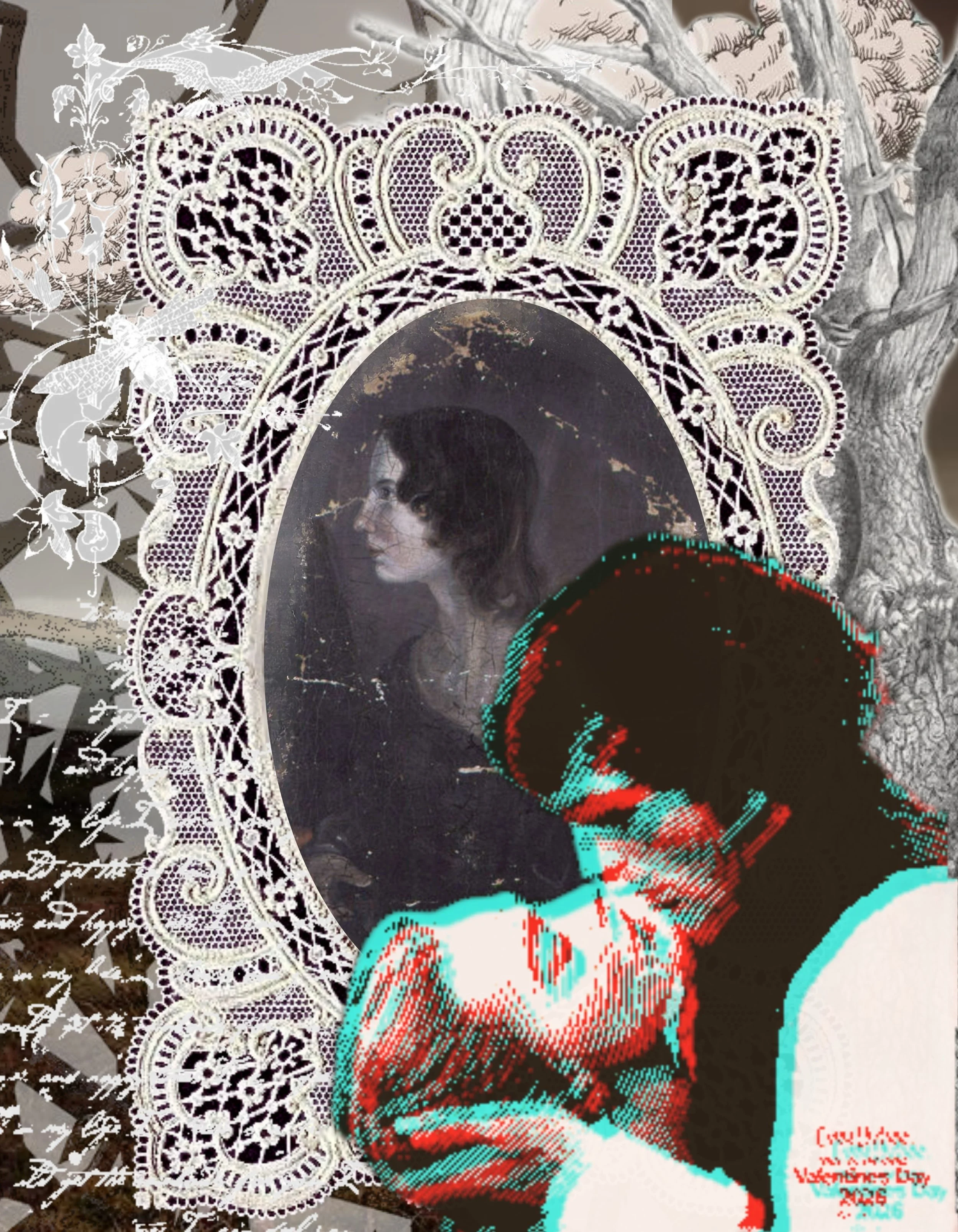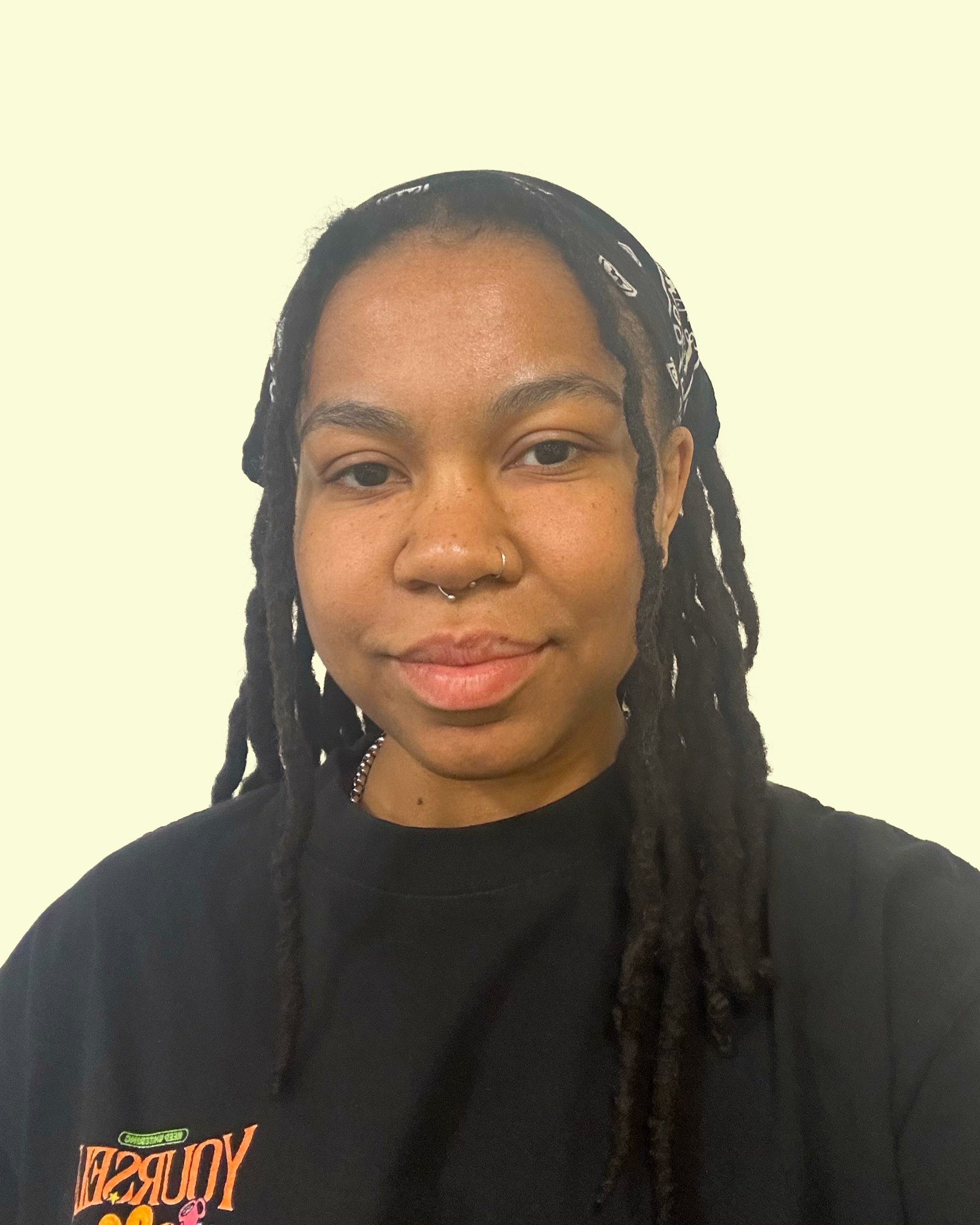
Photo by Sarah Grinnell ‘26
Diannely Antigua, former Poet Laureate of Portsmouth, New Hampshire, will serve as the judge of the yearly Glascock Intercollegiate Poetry Contest at Mount Holyoke College next semester in April 2026.
BY AMELIA D’ACHILLE-POZNIAK
CONTRIBUTING WRITER
Diannely Antigua is a Dominican American poet from Massachusetts and former poet laureate of Portsmouth, New Hampshire. Her poetry collections “Ugly Music ”published by YesYes Books in 2019 and “Good Monster” published by Copper Canyon Press in 2024 are amongst her many accomplishments.
In April 2026, Diannely will serve as a judge of the Glascock Intercollegiate Poetry Contest. This October she answered questions for Mount Holyoke students about her career and experience in the literary field in an email interview with Mount Holyoke News.
Q: We are so excited at Mount Holyoke to have you as a judge for this year's Glascock Intercollegiate Poetry Contest. As Poet Laureate of Portsmouth, New Hampshire, you pioneered efforts to “demystify poetry, making it truly accessible to all in a way that nourishes the soul.” How does your upcoming role as a Glascock judge support this goal?
A: My mission has always been to make poetry feel less like an ivory tower and more like a kitchen table. Judging this contest feels like an extension of that work. I get to witness the wide range of what poetry can look and sound like in the hands of emerging voices. What excites me most is the conversation these poems will create not just among poets, but among listeners, readers and community members. For me, accessibility doesn’t mean simplifying art. It means expanding the invitation.
Q: You currently teach writing at the University of New Hampshire. What intrigues and inspires you as a writer in the position of professor?
A: Teaching keeps me humble and curious. My students remind me every day that poetry is alive and evolving, questioning, shapeshifting. They take risks that reinvigorate my own practice. I’m especially drawn to the dialogue that happens in a classroom: those moments when a student discovers something about their own voice, or when we realize that language can hold grief and joy at once. We recently read “Song of My Softening” by Omotara James, and I could see how my students were challenged and changed. And it is through witnessing this transformation that I, too, am changed. Being a professor allows me to constantly re-enter the world of wonder that made me a writer in the first place.
Q: Your most recent book, “Good Monster,” has an oxymoron in its title. What was your process in deciding on this title to reflect the collected works?
A: “Good Monster” emerged from my fascination with contradiction — the way tenderness and terror can coexist in a single body. The title came after realizing that every poem was orbiting around that tension: what it means to hold goodness and monstrosity at once, to be both the wound and the healer. I wanted the title to make readers pause, to feel the discomfort of those two words together and to recognize that in that friction lies our humanity. My monster is my anxiety, depression and boundless need—a trinity of my shame. This book is a love letter to her and to what she has survived, even when the enemy was me.
Q: The playlist for “Good Monster” is available to the public on Spotify. What inspired you to create a musical accompaniment for your writing?
Music has always been a parallel language for me. When I write, I often have a song looping in the background, something that shapes the emotional weather. I created a playlist for my first book, “Ugly Music,” which felt appropriate given the title and that the sections are named after parts of a song. Translating the frequency of each poem into music was so immersive and transformative for that book that I wanted to do the same with “Good Monster.” To me, the playlist feels like an extension of the book’s emotional arc: joy, grief, desire, rage, recovery. It’s also a way for readers to experience the work sonically and to feel its pulse. Sometimes, the right song says what a line can’t.
Q: On your podcast Bread & Poetry you said, “Poetry will find you again.” For those apprehensive about opening that door, how would you recommend they connect with poetry?
A: I’d say: start small. Read one poem out loud in the morning while sipping coffee. Or write one sentence a day. Let the words live in your mouth, not as something to analyze, but something to feel. Poetry doesn’t ask for perfection; it asks for attention. It’s okay to not “get it.” Sometimes the poem is working on you in ways you don’t yet understand. And if the door feels heavy, remember: poetry isn’t just on the page. It’s in conversation, in music, in prayer, in the quiet moments. This year has been one of deep grief, and poetry has been waiting patiently for me to return to her when I’m ready. It’s also okay to rest. Poetry isn’t a jealous god.
Q: For The Bread & Poetry Project you brought together food and language on the notion that, “Bread sustains life, and poetry has the power to do the same.” Is there one type of bread you couldn’t live without?
A: To choose just one feels like blasphemy. I adore bread in all its forms! But if I must choose, I’d say sourdough. I’m fascinated by its process, how it begins with a living starter, how it requires patience, care, and trust. You feed it, and it feeds you back. It’s wild, unpredictable and yet deeply sustaining. That symbiosis feels like poetry to me — the slow fermentation of language, the waiting, the surprise of what rises. Both sourdough and poetry are alive, shaped by air, time and touch. Each one teaches me how to nurture something that, in turn, nourishes me, even when the world feels uncertain.
Q: From your experience as poet laureate of Portsmouth, what has been the most unexpected experience to come from your career as a poet?
A: The most unexpected gift has been the deep sense of community that poetry creates. When I first started writing, I thought of poetry as a solitary act: me, my notebook and my monsters. But being Poet Laureate taught me that poetry thrives in conversation. It can gather people in a room, at a park or in a café and transform how they see each other. I’ve seen people cry, laugh and find language for something they’ve never said aloud. That shared vulnerability, that collective exhale, has been the most beautiful thing to witness. When I became Poet Laureate, I set out to use poetry to change the world, but instead, the world changed me.
Q: What advice would you give to emerging writers in 2025? Is there any advice you wish you had received in undergrad?
A: My advice is to edit toward strangeness and surprise. In early drafts, we often write toward what feels safe or familiar, but the real electricity lives in the moments that unsettle us—the images or phrases that feel a little uncertain. When revising, ask yourself: Where is the poem behaving too politely? Where can I risk wonder instead of control? In a workshop led by Juan Felipe Herrera, he told us to write the “wild sister” version of the poem we’d just written. Now, I want every one of my poems to be the wild sister. I wish someone had told me that revision isn’t about sanding down the edges of a poem, but about sharpening them. The goal isn’t perfection — it’s discovery. Let your work startle you first. Only then will it have the power to startle someone else.
Cat McKenna ‘28 contributed fact-checking.