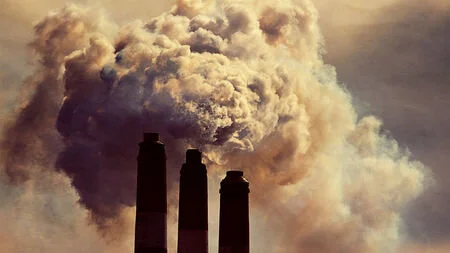
Built with the climate and weather conditions of the 20th century in mind, today’s infrastructure is not adapted to the changing climate. Unprecedented heat waves in the Pacific Northwest are threatening the local infrastructure, causing warped highways, closed public transit and rolling blackouts. Local residents, many of whom lack air conditioning, are facing power outages due to the heat.
As unknown illness strikes wild bird population, states urge residents to take down feeders
Scientists are perplexed by an unidentified illness infecting birds in multiple states across the country. Wildlife authorities in Washington D.C., Maryland, Virginia, West Virginia and Kentucky began receiving reports of diseased birds in late May. Since the initial reports, birds with similar symptoms have also been spotted in Delaware, Florida, Indiana, Ohio, Pennsylvania and Tennessee.
Homes are no longer insured sufficiently against the increasing dangers of flooding
The increased flooding caused by climate change creates a hidden financial risk for homeowners that the insurance industry is failing to address. A recent study from the First Street Foundation, a non-profit organization dedicated to quantifying flood risk in the U.S., found the current flood risk to homes to be vastly underestimated by insurance companies. The study identified almost 4.3 million homes with a substantial flood risk, and found if all of these homes were properly insured against this risk through the National Flood Insurance Program, insurance premiums would need to multiply almost five-fold.
Heat waves, droughts and fires scorch the western U.S.
It seems like only yesterday that the western United States faced droughts and fires over the summer of 2020. Now, entering the coming summer, the western U.S. and other parts of the world are facing record-breaking temperatures for days on end. While weather is not the same as climate, patterns have emerged over the past decade with heatwaves, droughts and large forest fires that indicate a changing climate. This extreme weather has become the new normal in the western U.S.
Captured greenhouse gas emissions can be repurposed into everyday objects
Plastic is often considered environmentalists’ number-one enemy because it necessitates large quantities of fossil fuels in its production and its reputation for polluting the Earth’s natural resources. However, technological developments in recent years have created a possibility for plastic to act as a force against the onset of climate change. Scientists have found that CO2 emissions captured from the atmosphere can be used as a base material for plastics and other goods.
Contradictory decisions at home and legal battles abroad bring the future of fossil fuels into question
President Biden took office in January of this year, one of his stated priorities was addressing climate change and the impacts of this are already becoming apparent. The day Biden took office, he canceled the permit for the Keystone XL pipeline. The pipeline’s purpose was to transport crude oil from Western Canada to Nebraska. It was proposed in 2008 and vetoed by the Obama administration in November 2015. This was believed to be the end of the pipeline; however, immediately after taking office in 2016, Donald Trump signed an executive order to continue the pipeline.
Study on gambling behaviors
Recently, a University of Massachusetts Amherst research team presented groundbreaking research on the social and economic impacts of gambling in Massachusetts. The Massachusetts Gambling Impact Cohort study is the first major gambling study to spend over six years on the same individuals in order to analyze the development of their gambling behavior.