
China has begun to receive global criticism for its alleged persecution of Uighur Muslims. Over the past few months, harrowing reports have surfaced describing millions of Uighurs detained in what Middle Eastern news source Al Jazeera calls “the largest network of internment camps since World War II.”
How the World Has Handled COVID-19
By Corrine Celupica-Liu ’23
Global Writer
Over the past nine months, coronavirus case levels have fluctuated around the world. In the United States, life during a global pandemic looks strikingly different than it did back in March. The U.S. has seen both community compliance and resistance in efforts implemented to suppress the virus.
According to a New York Times report on Sept. 6, 2020, there are 26.9 million confirmed cases worldwide and the virus is spreading at its fastest recorded speed, with a global cumulative of 200,000 daily new cases. As of early September, there are rising surges in many parts of Europe, including Germany, Spain and France. Similar patterns are also occurring in North America, where geographically-diverse hotspots have sporadically developed over the past six months.
Megan Horner ’23 lives in Herrin, Illinois, and has experienced the state’s response to each new hotspot of the coronavirus.
“In the beginning, the state was able to slow the spread, but once things began opening, a lot of people stopped adhering to rules,” Horner said. “The state instituted pretty strict measures, and it was pretty effective but has since been rescinded.”
As of Sept. 6, 2020, Herrin has recorded 1,024 confirmed coronavirus cases, which is up from 530 total confirmed cases reported on Aug. 9, 2020.
Due to the lack of standardized federal testing and containment protocol in the United States, the reported number of cases has varied from region to region. Abroad, countries’ various strategies mixed with a more collaborative community response have been more effective in controlling the spread of the virus.
Rachel Kang ’23, who has been living in Seoul, South Korea, since March, noted the effectiveness of the South Korean government’s response.
“From the beginning, [the government] made it mandatory for everyone entering from abroad to quarantine for 14 days and get tested for COVID-19,” Kang said. “If there is someone who caught the virus in your neighborhood, the government sends emergency alerts to their county [and] track[s] ... where the anonymous individual has been since they started showing symptoms.” Kang also praised South Korea for its citizen safety requirements, such as wearing a mask in certain buildings and on public transit and participating in regular temperature checks.
In South Korea, there is a 1.1 percent positivity rate from coronavirus testing. Additionally, the country has been able to maintain lower rates of contraction. From April 1 to August 12, it reported less than 100 cases daily.
Across all the different strategies regions have attempted to control the coronavirus, one truth remains: keeping the spread suppressed requires a sense of intentionality. As Kang noted, “As much as the idea of a virus is terrifying, if the correct precautions are being taken at the right moment, it is possible to control the numbers of cases.”
Anti-Muslim riots in Delhi turn violent following police brutality
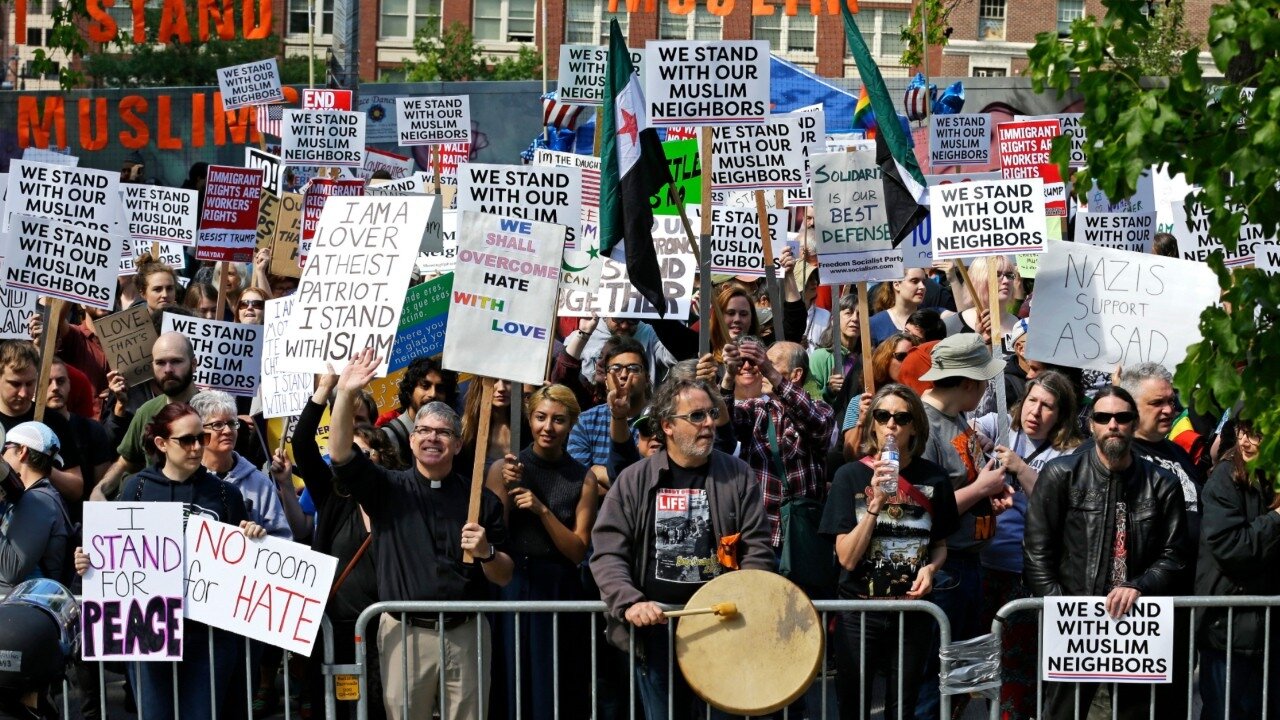
In the wake of months of protesting after the passage of the Citizenship Amendment bill on Dec. 8, 2019, Delhi, the capital of India, saw communal unrest and anti-Muslim riots from Feb. 23 to Feb. 26. The death toll went up to 46 with more than 250 injured. The Delhi Police arrested or detained up to 630 people. The unrest was centered around northeast Muslim-majority neighborhoods in Delhi, such as Mustafabad and Jaffrabad, among others.
Protection of illegal logging in Mexico threatens activists’ lives

What’s going on in the Middle East? Five College Professors share current events

Students’ favorite foods remind them of homes and families
Interdepartmental panel discusses current events, protests in Latin America

Several Latin American nations have experienced protests within recent months. Chile — the “first laboratory of neoliberal policy,” according to Pintetta — witnessed immense national solidarity movements sparked by the increased price of public transportation and centered around the country’s drastic wealth disparity.
Vietnamese Student Association holds annual “Vietnam Night”
Afghanistan re-elects incumbent president
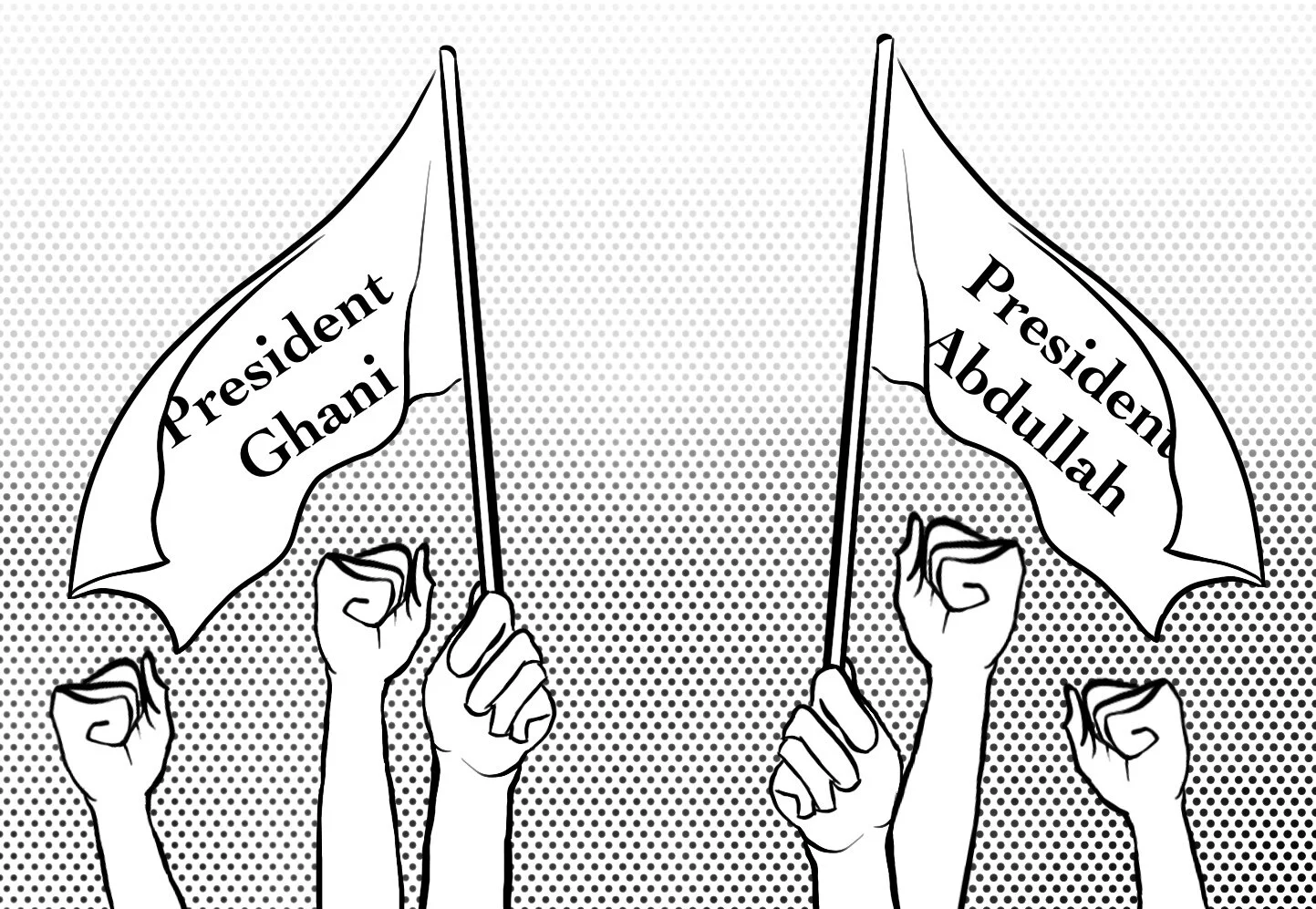
After a five-month election dispute, Afghanistan’s election commission declared incumbent Ashraf Ghani the winner of the 2019 presidential elections on Feb. 18. Ghani won with 50.64 percent of the popular vote. Ghani’s main rival, Abdullah Abdullah, claimed that the results were unlawful. Abdullah declared himself the winner and announced that he plans to form his own parallel government.
“Parasite” becomes first non-English Best Picture winner

Ugandan climate activist removed from group photo, sparking global controversy

Final Brexit deal passes four years after 2016 referendum
Policy Brief: Trump’s New Israel-Pales-tine “Deal of the Century”
On Jan. 28, President Trump proposed his plan for resolving Israeli-Palestininan conflict. He called it the “Deal of the Century.” According to The New York Times, the plan would give control of Jerusalem to Israel as its capital “and not require it to uproot any of the settlements in the West Bank that have provoked Palestinian outrage and alienated much of the world.”
Prince Harry and Meghan Markle announce plan to step back from British royalty
he Duke and Duchess of Sussex, Prince Harry and Meghan Markle, announced their plan to seek more independence from the British crown on Wednesday, Jan. 8. This change is immensely controversial, as the couple is making a historic attempt at becoming partially self-exiled royal leaders for the first time in the empire’s history, according to the BBC.
Annual “China Night” show brings culture, food and dance to campus through Chinese Cultural Association

Bushfires in Australia devastate 46 million acres
International tensions heighten after US authorizes military killing of Iranian top official
Students take to the streets in Pakistan to fight for student unions and better education facilities
Pakistani students, activists and supporters of the Student Action Committee (SAC) took to the streets of Lahore and other cities in Pakistan on Friday, Nov. 29 as part of the Student Solidarity March. The demonstrators’ list of demands called for the restoration of student unions and the improvement of educational facilities.
Iraqi Prime Minister resigns after facing mass citizen protests
Following months of citizen protest, Iraqi Prime Minister Adel Abdul-Mahdi announced his plans for resignation on Friday, Nov. 29. Protesters — made up largely of the country’s young and poor — have criticized the country’s political party system and failing infrastructure. These demands came just months after the initiation of a new Iraqi government in May which followed the eradication of ISIS in the region.